“Change the Narrative ~ Start The Conversation” with the NT theme “No Shame in Reaching Out”
The World Suicide Prevention Day Forum 2025 makes an impact in the NT.
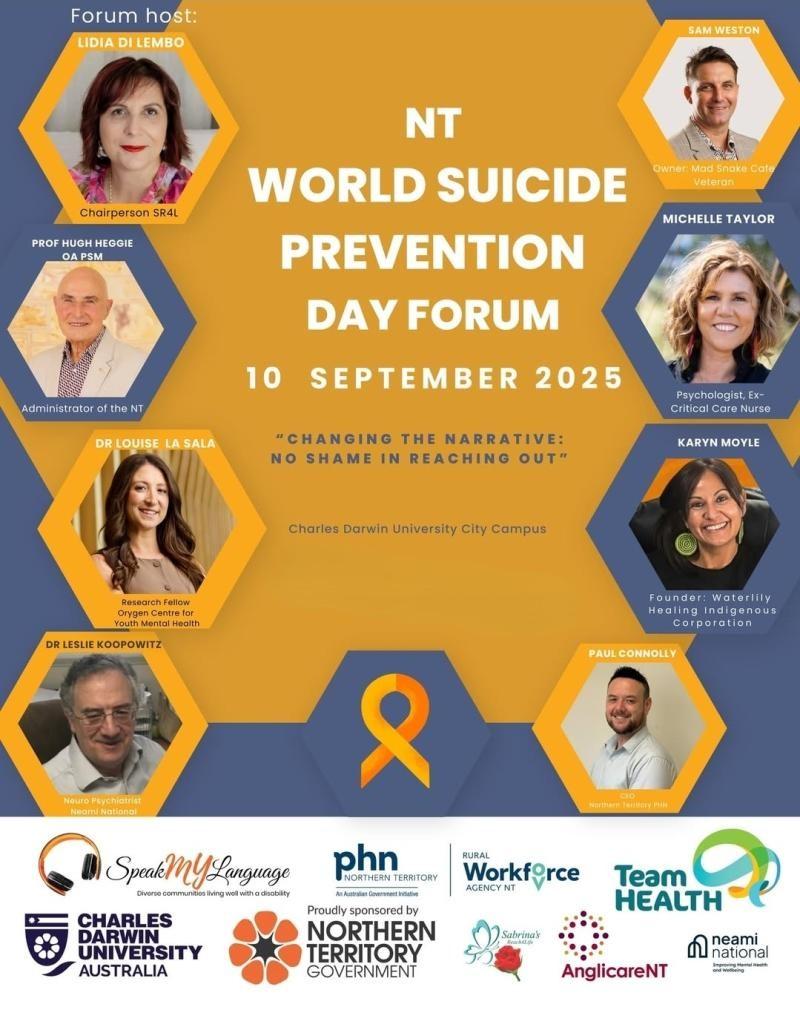
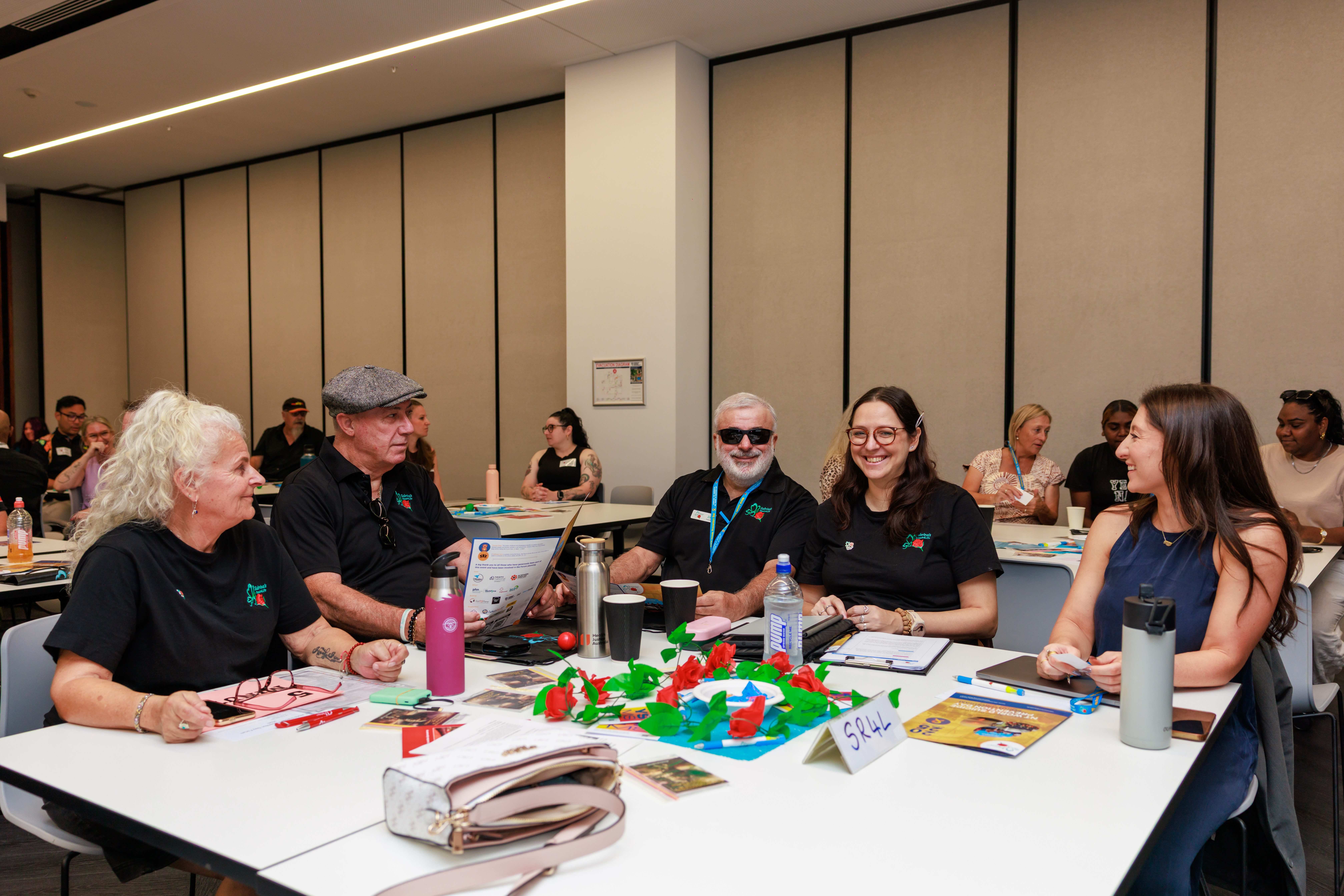
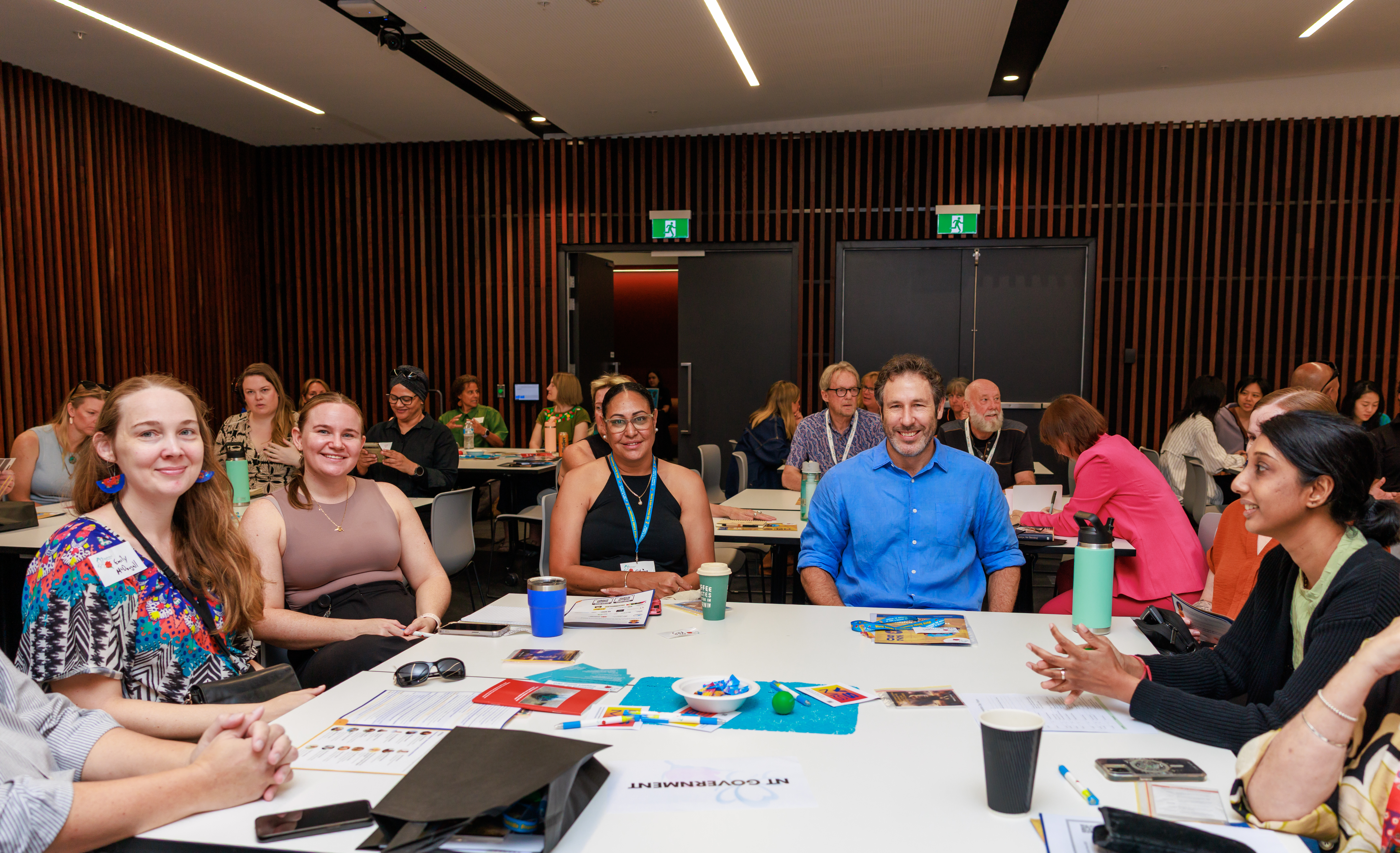
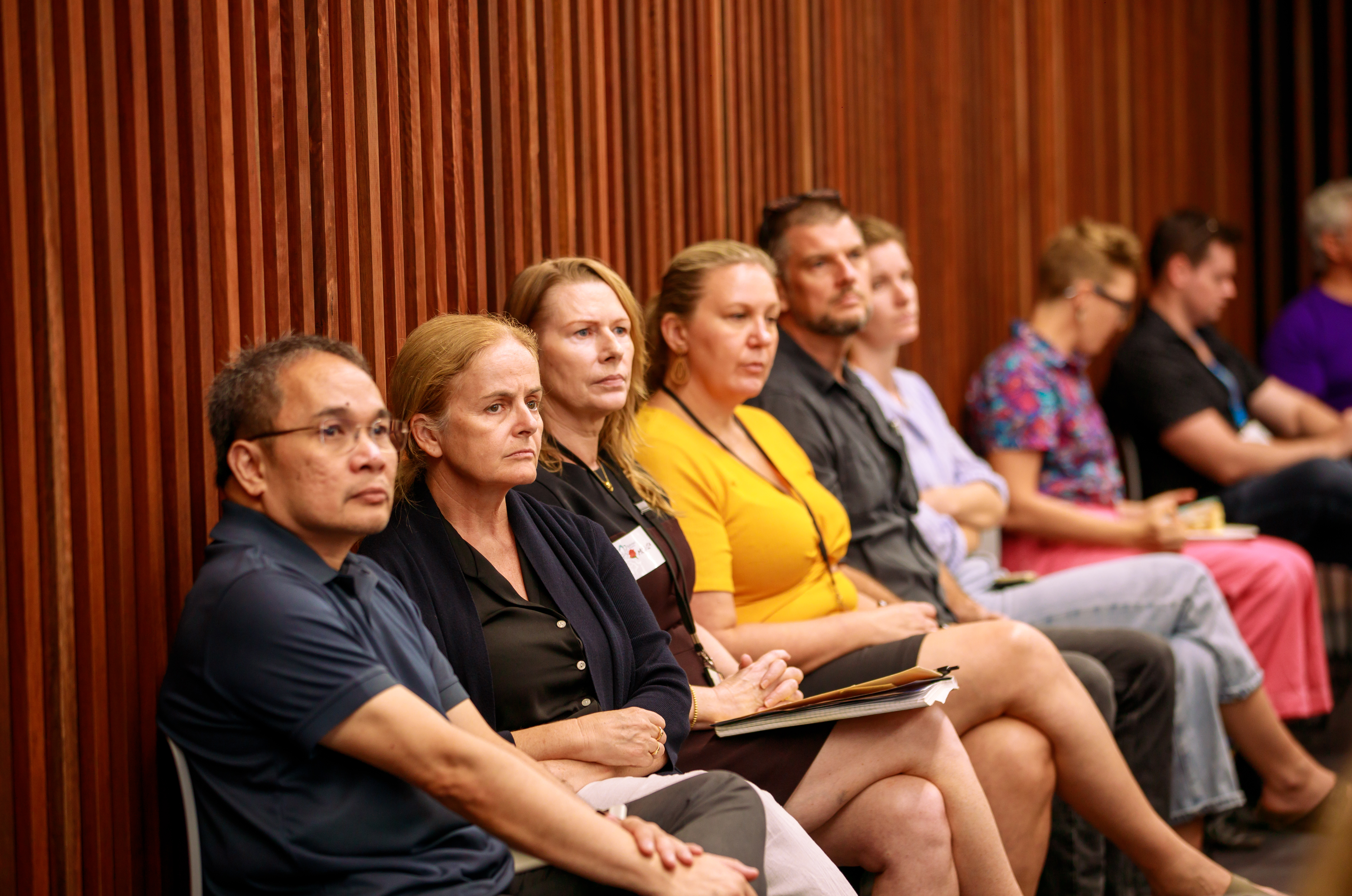
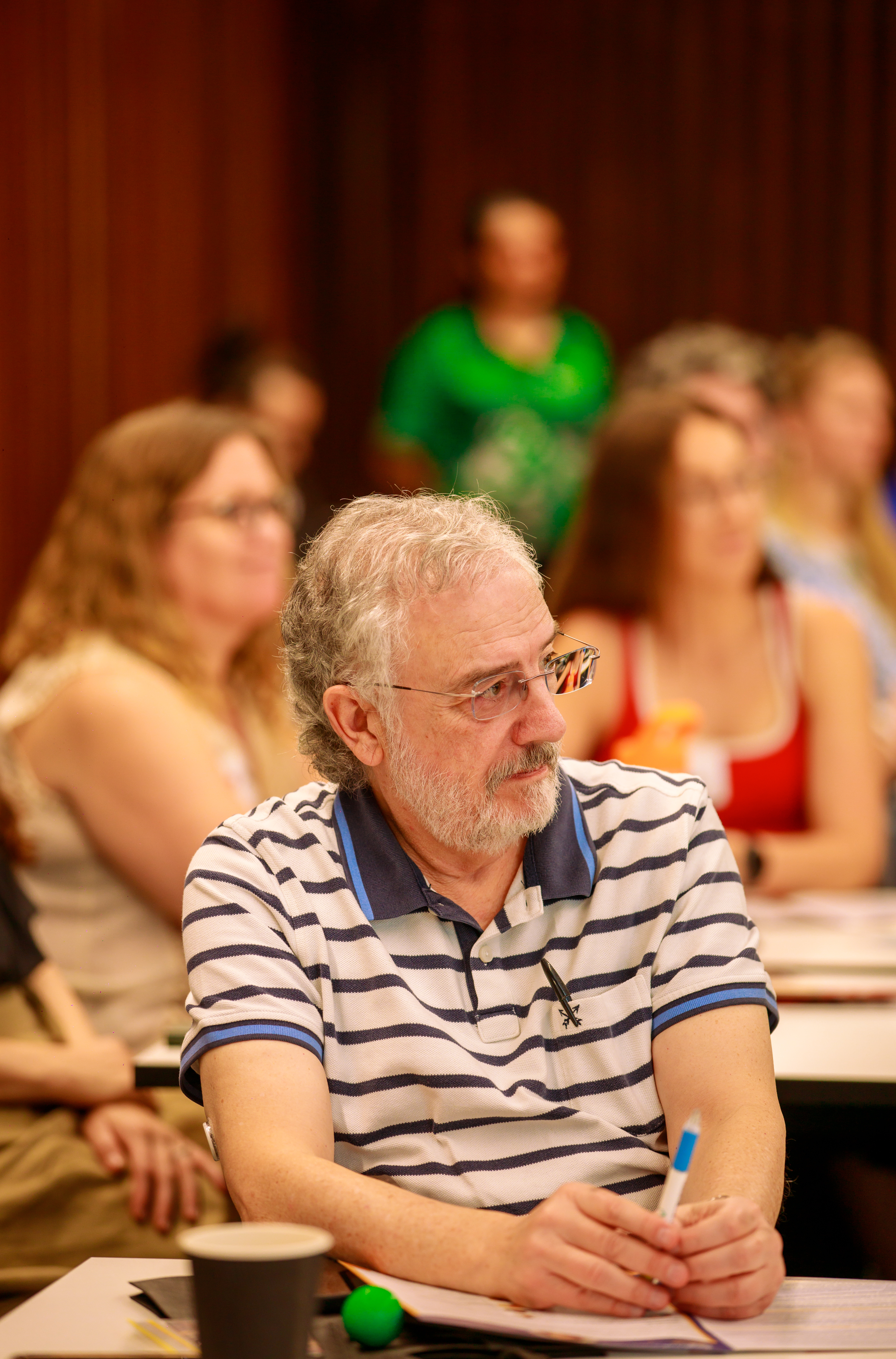
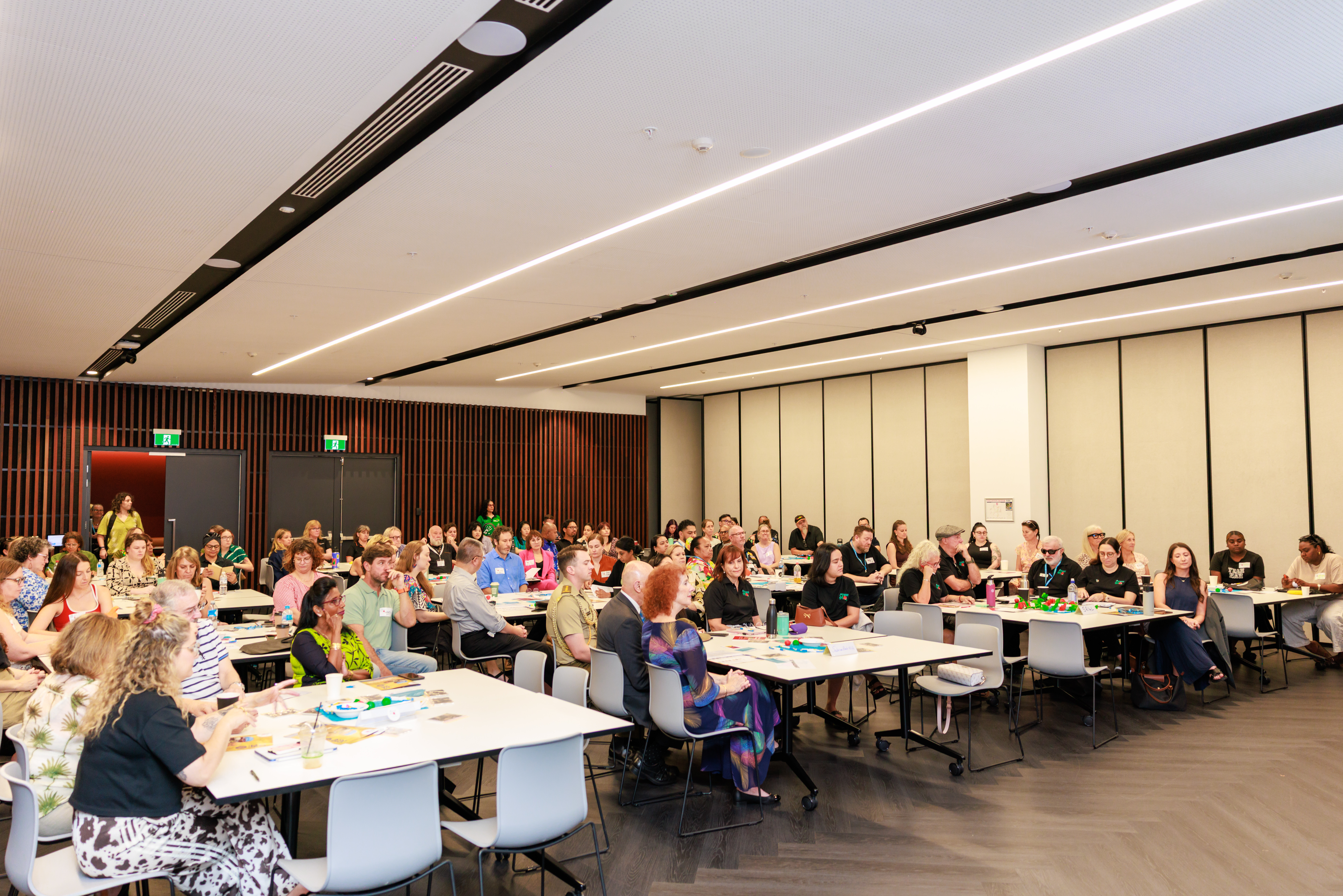

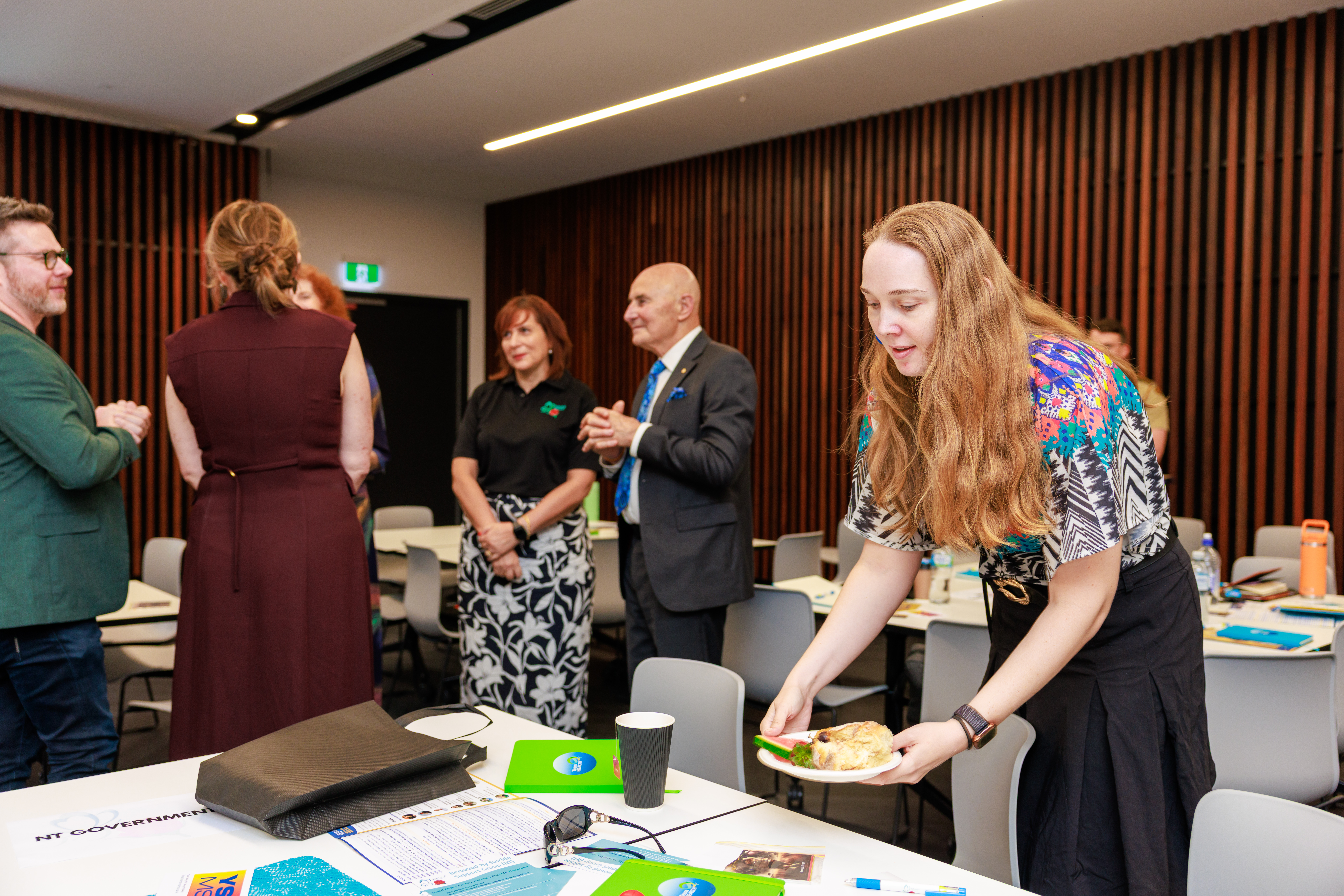
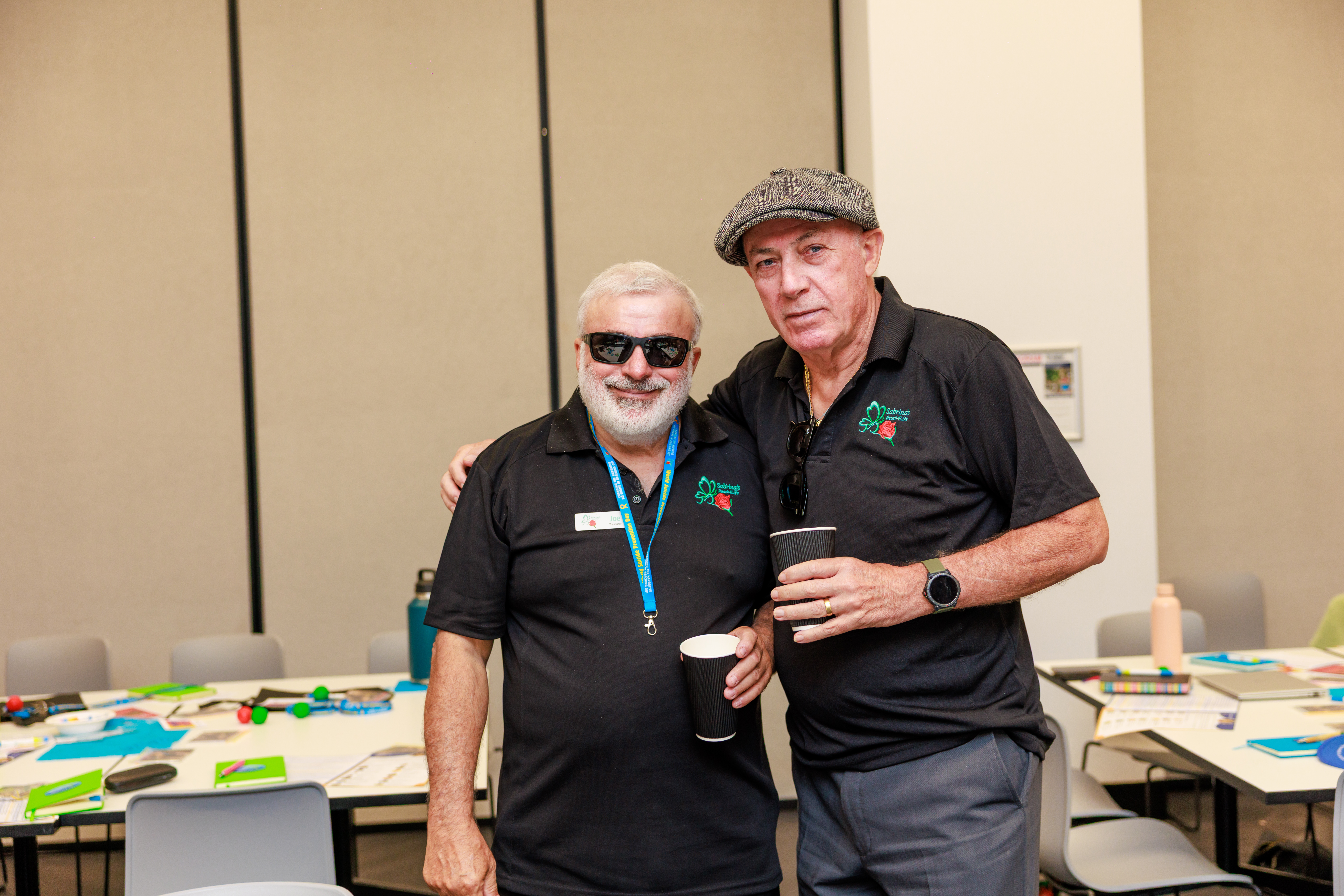
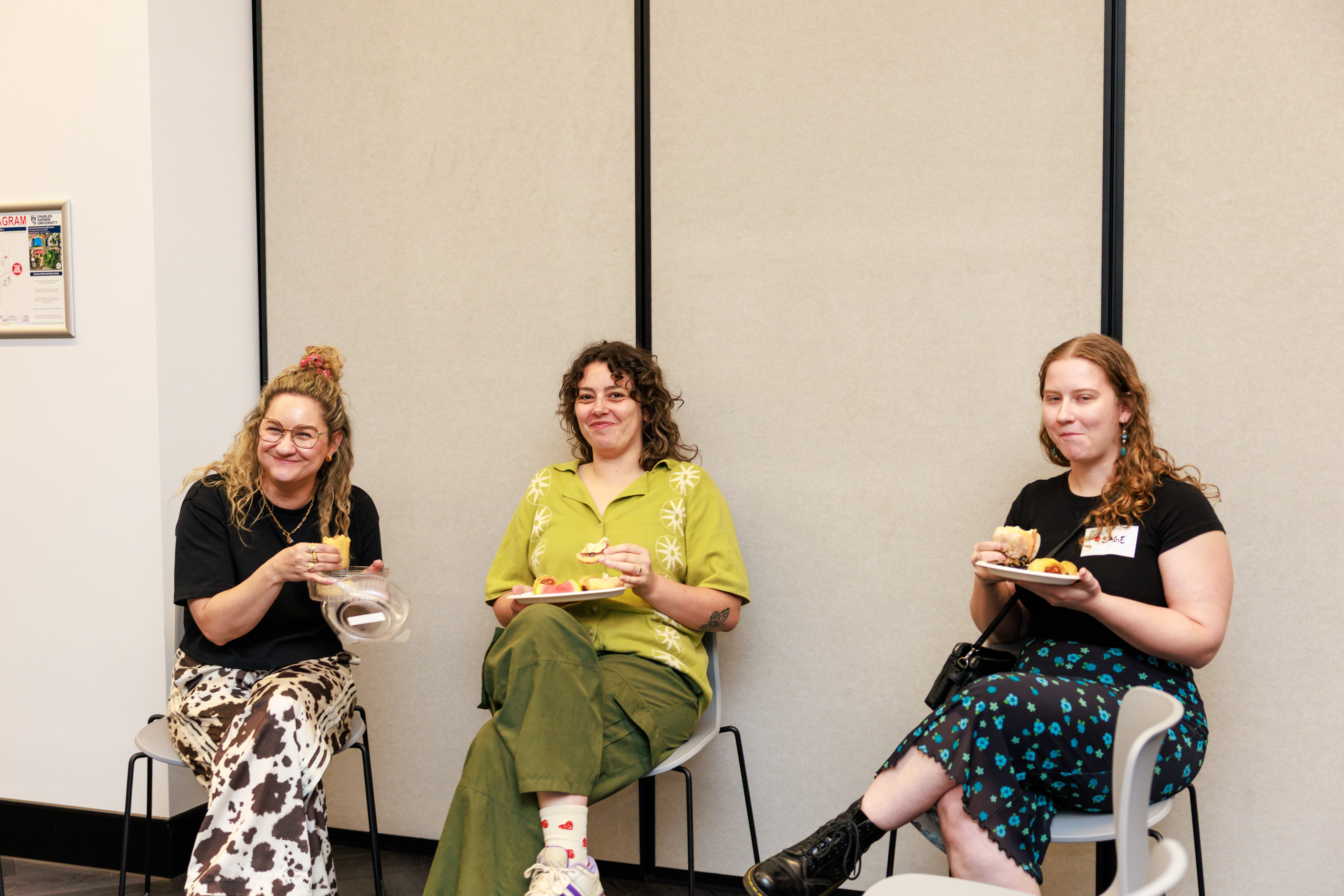
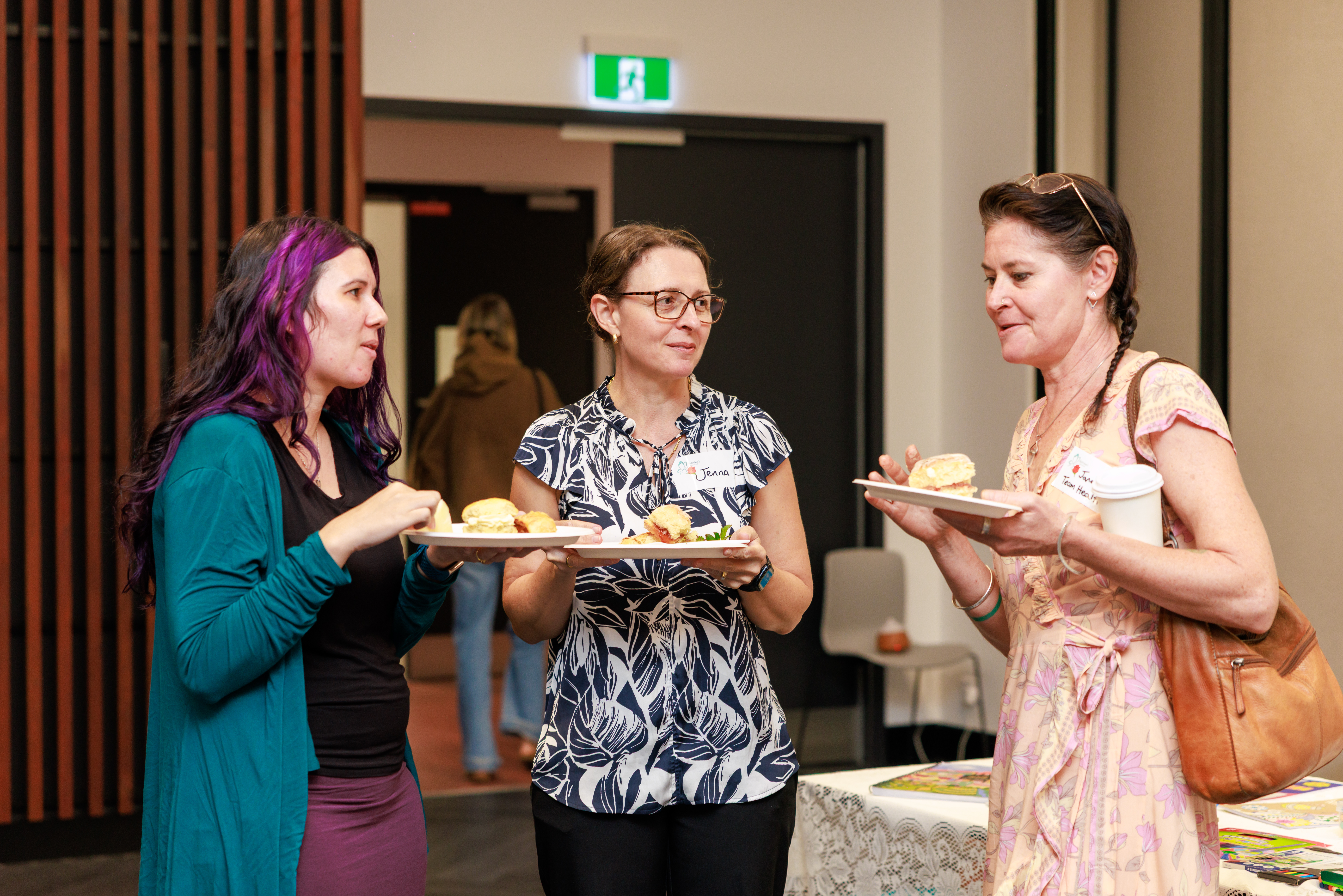
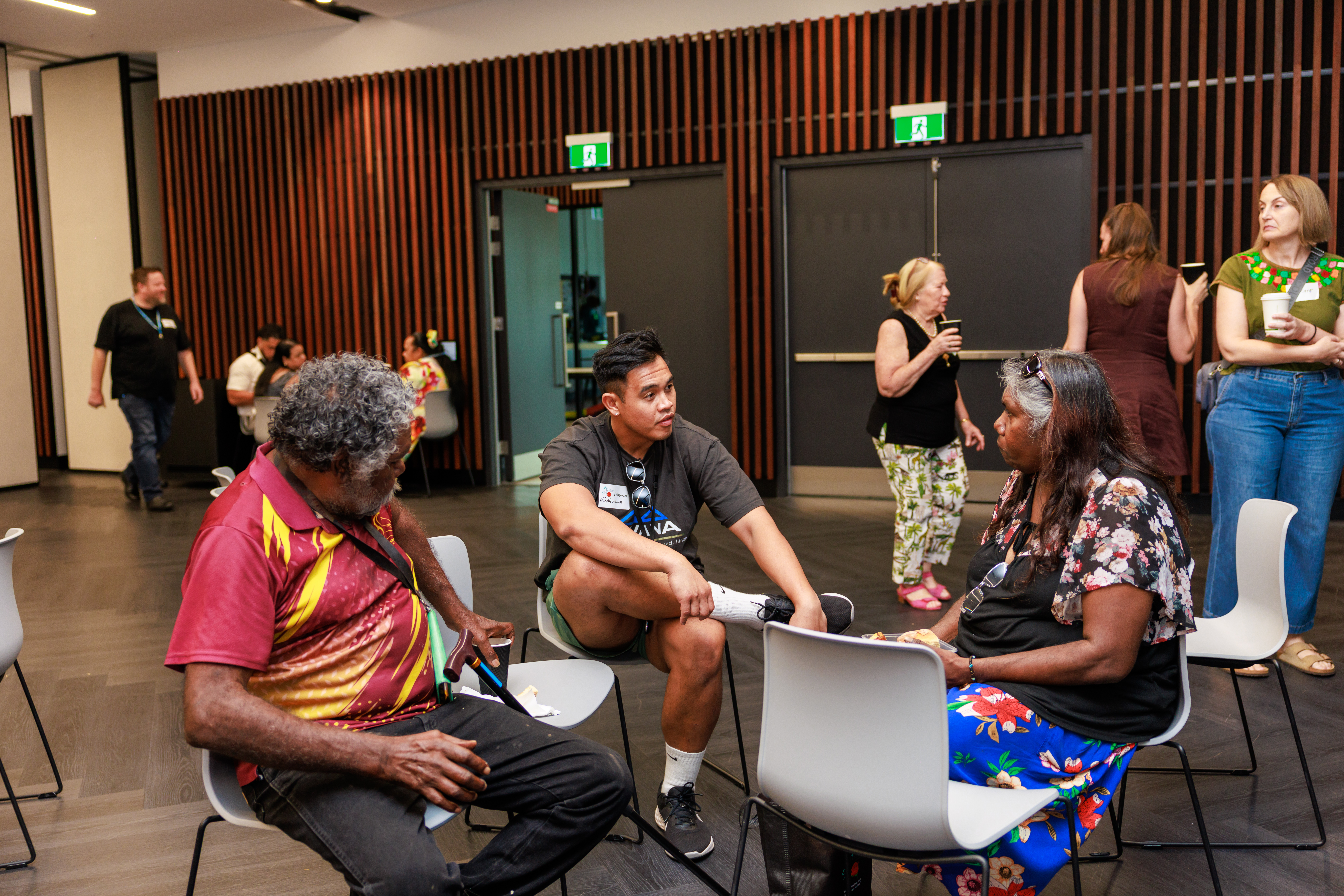
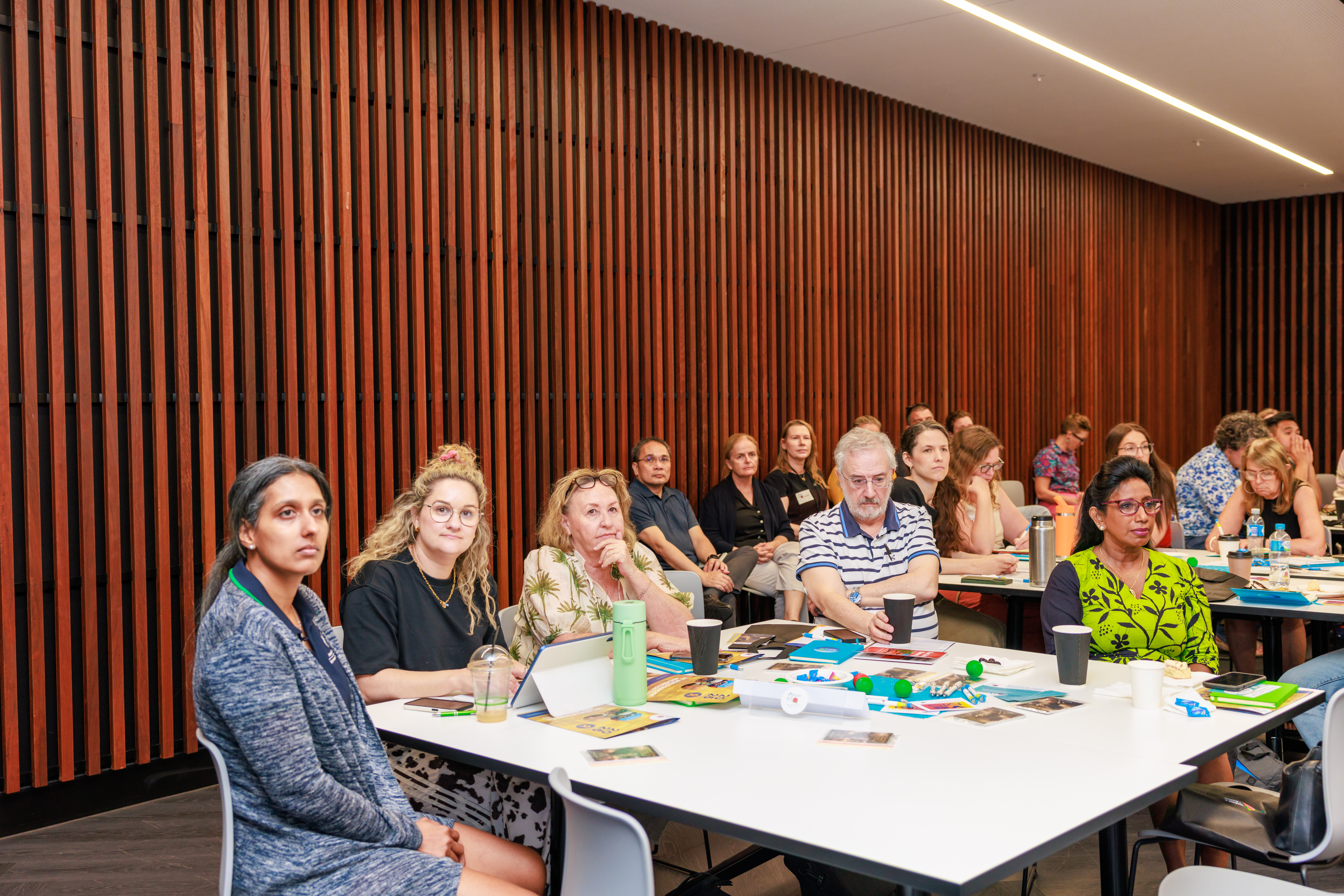
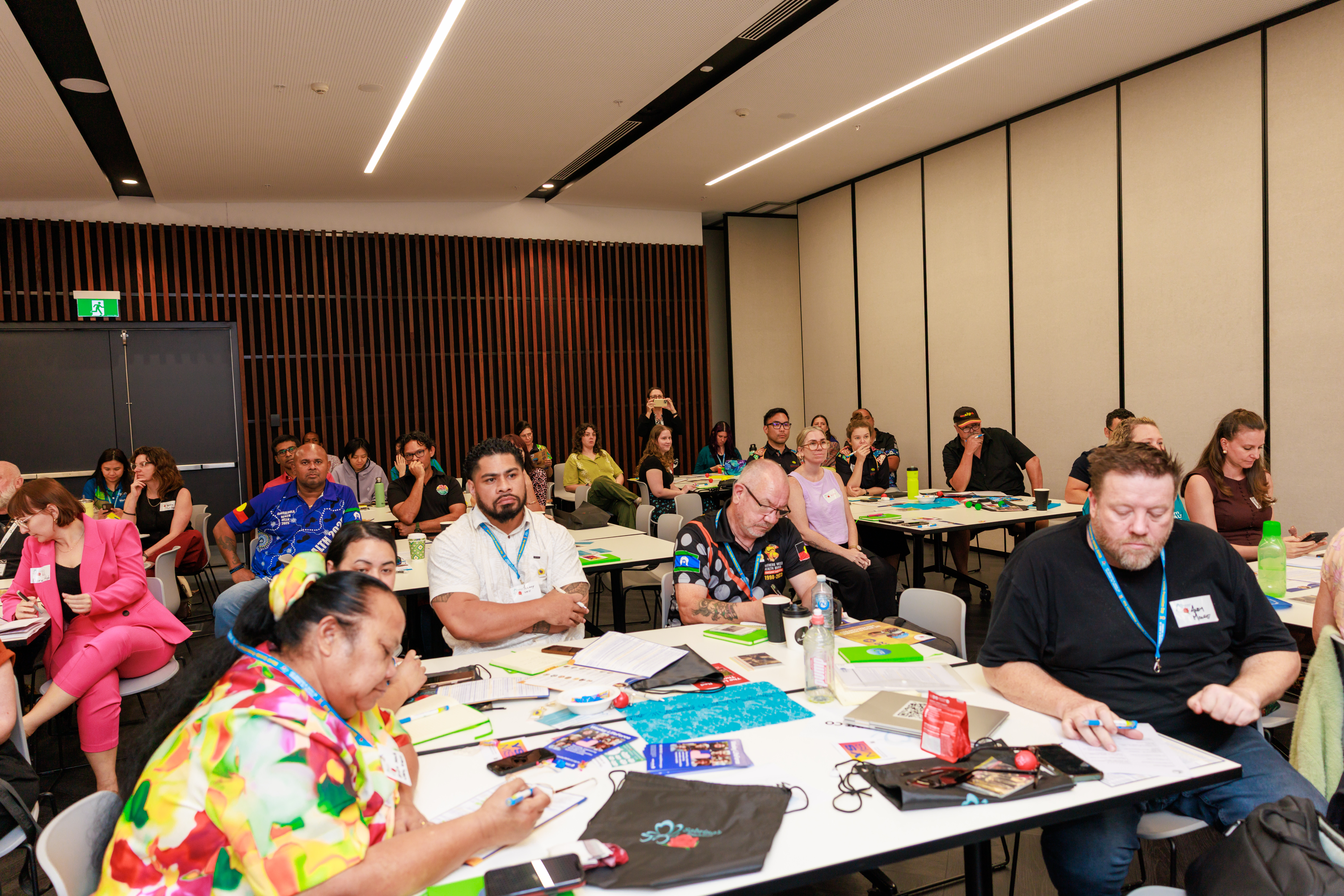
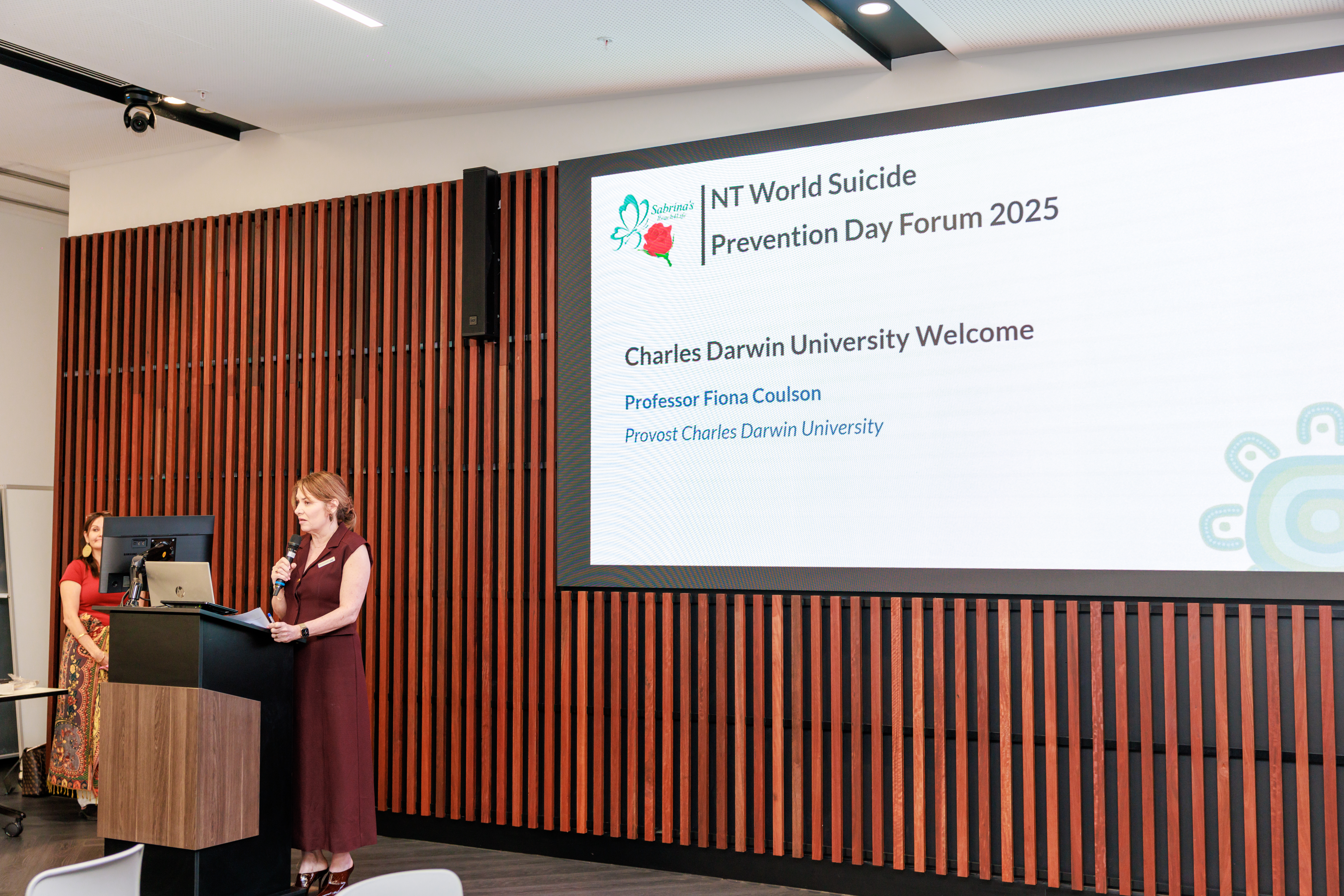
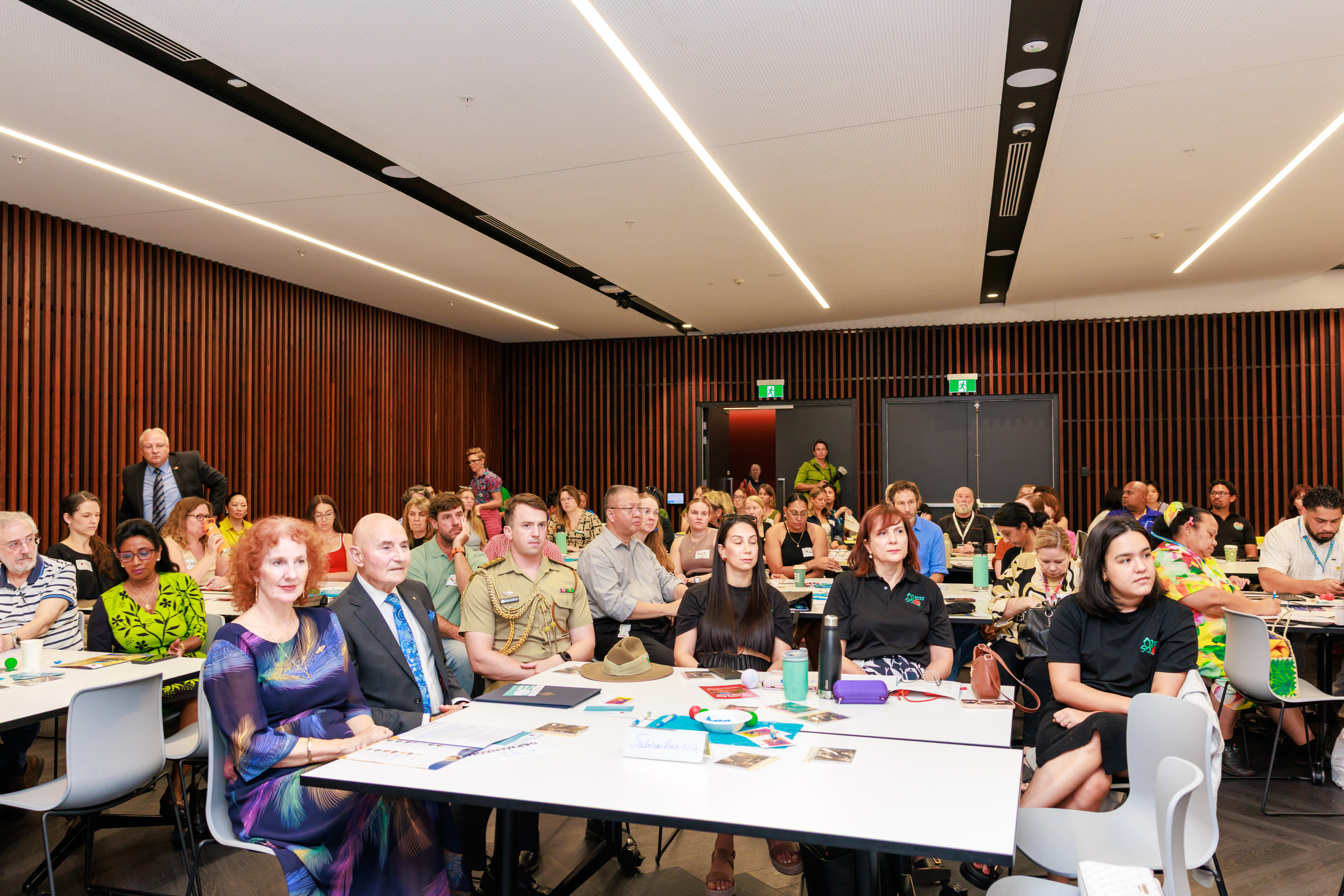
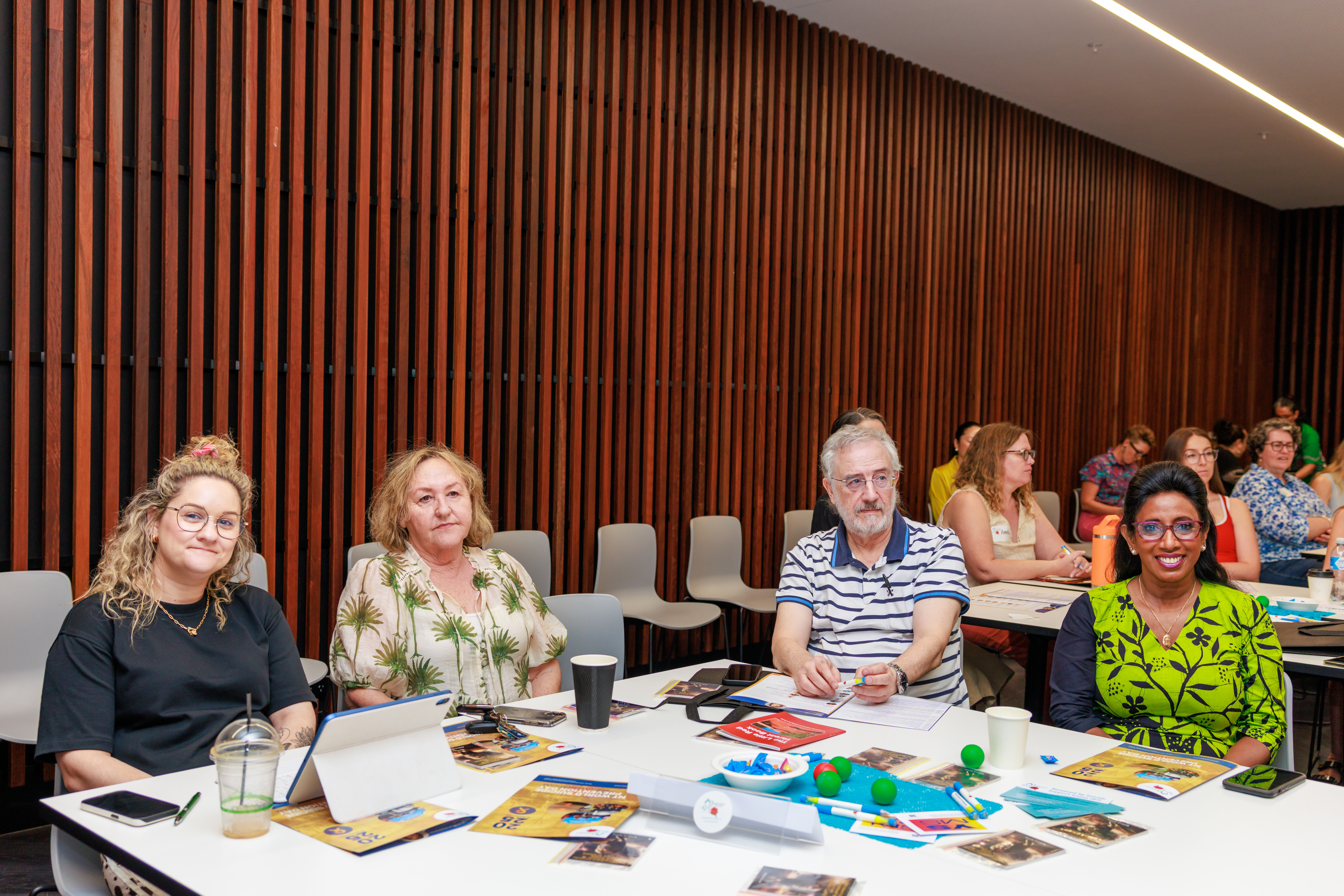
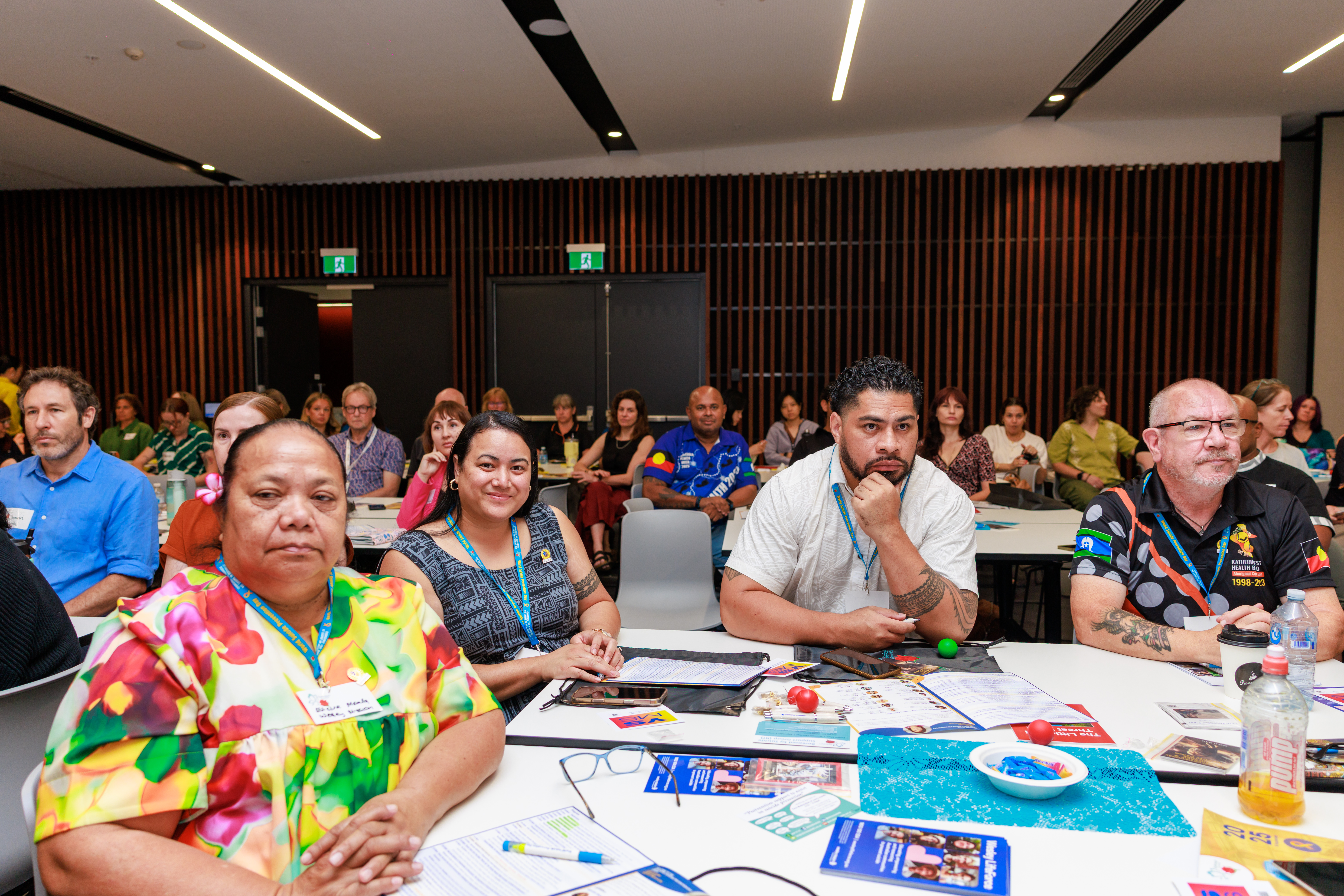
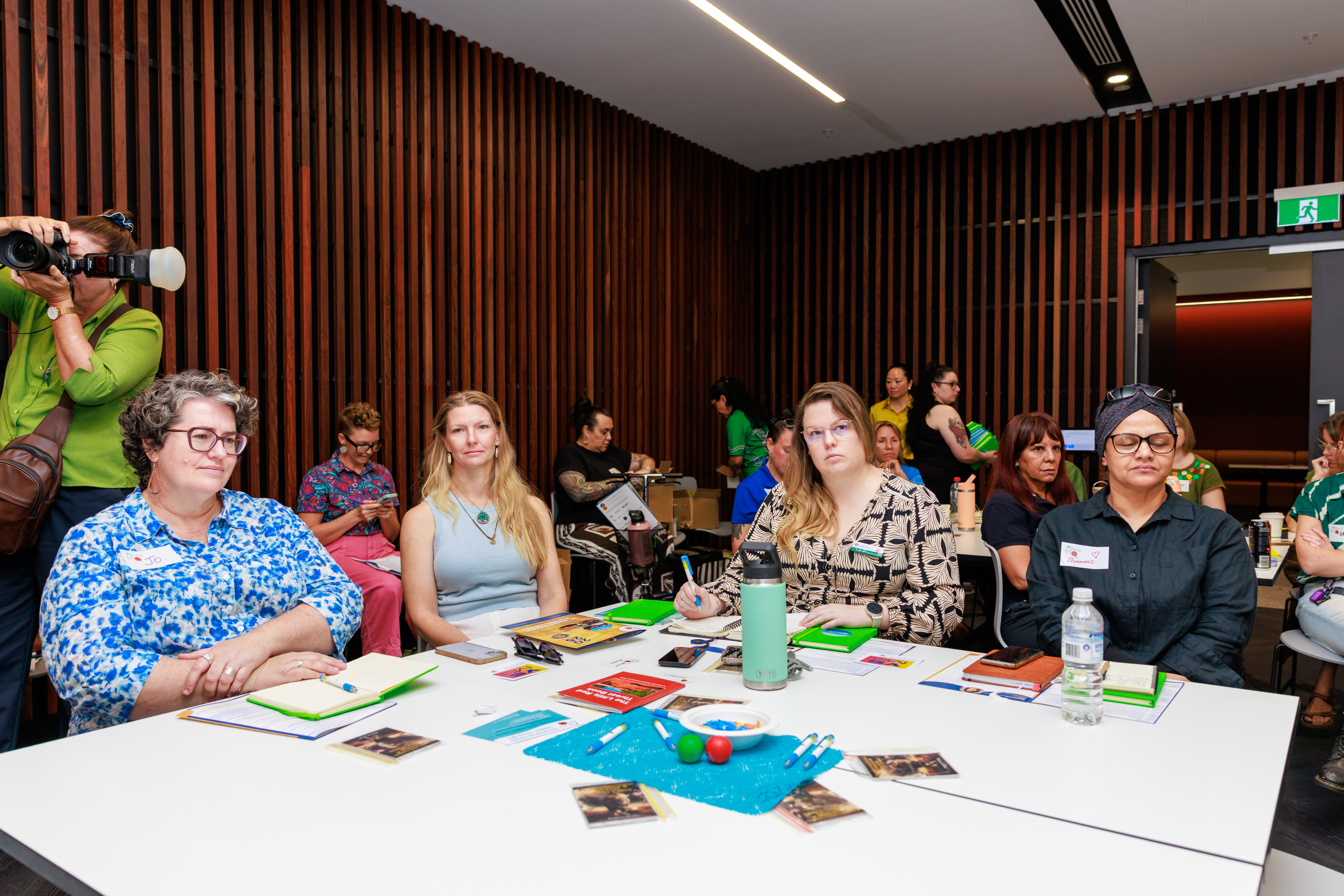
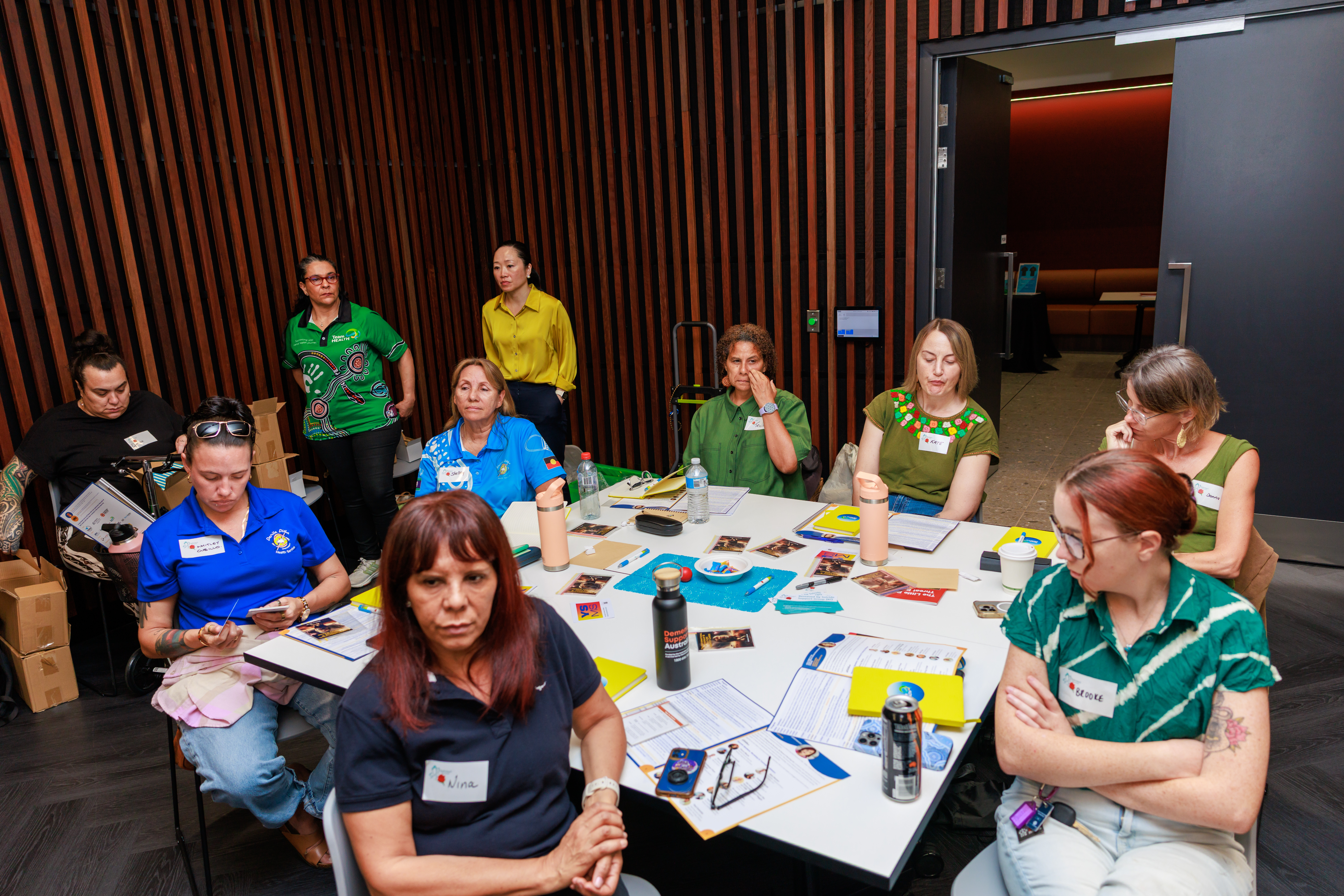
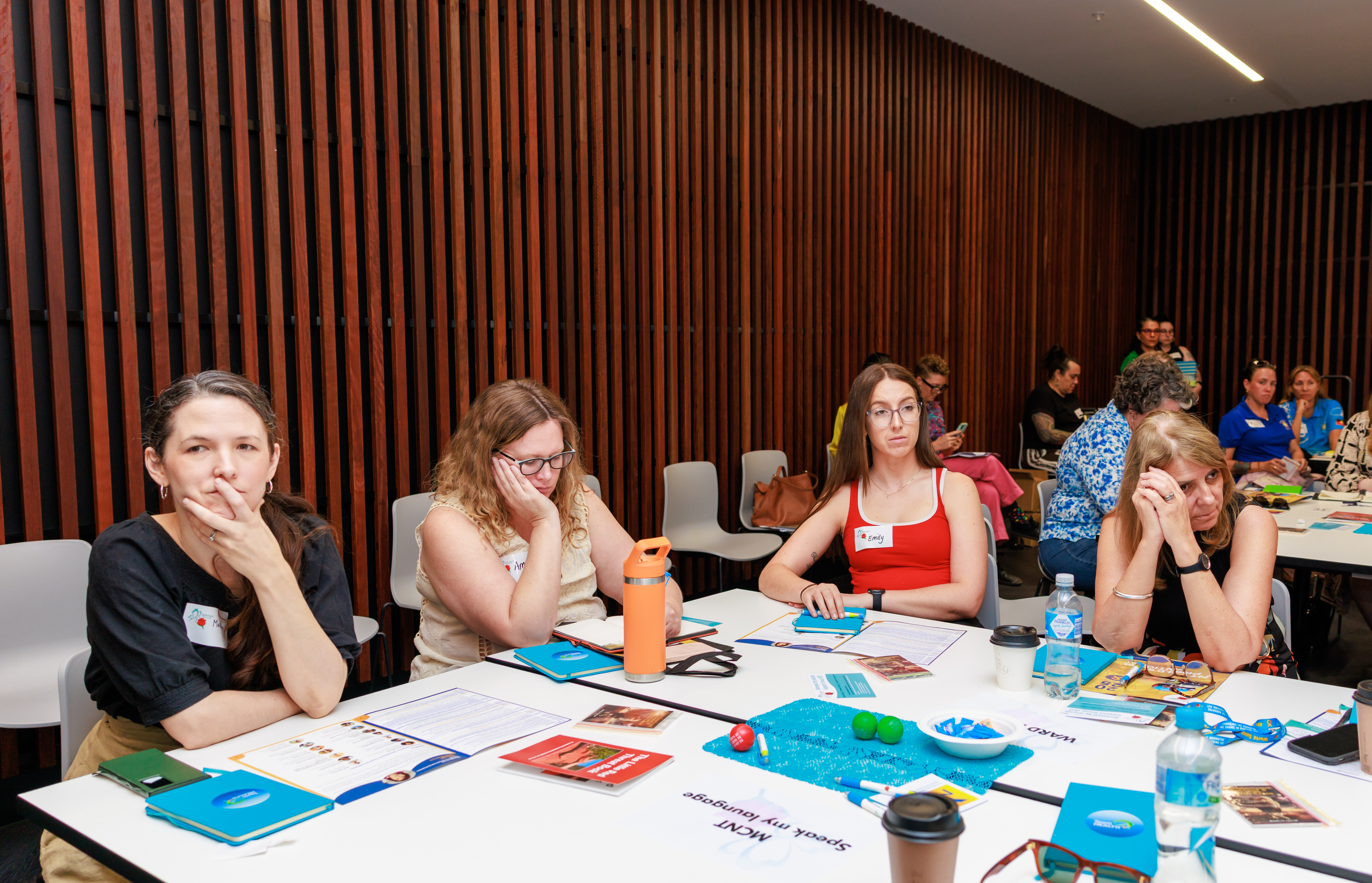
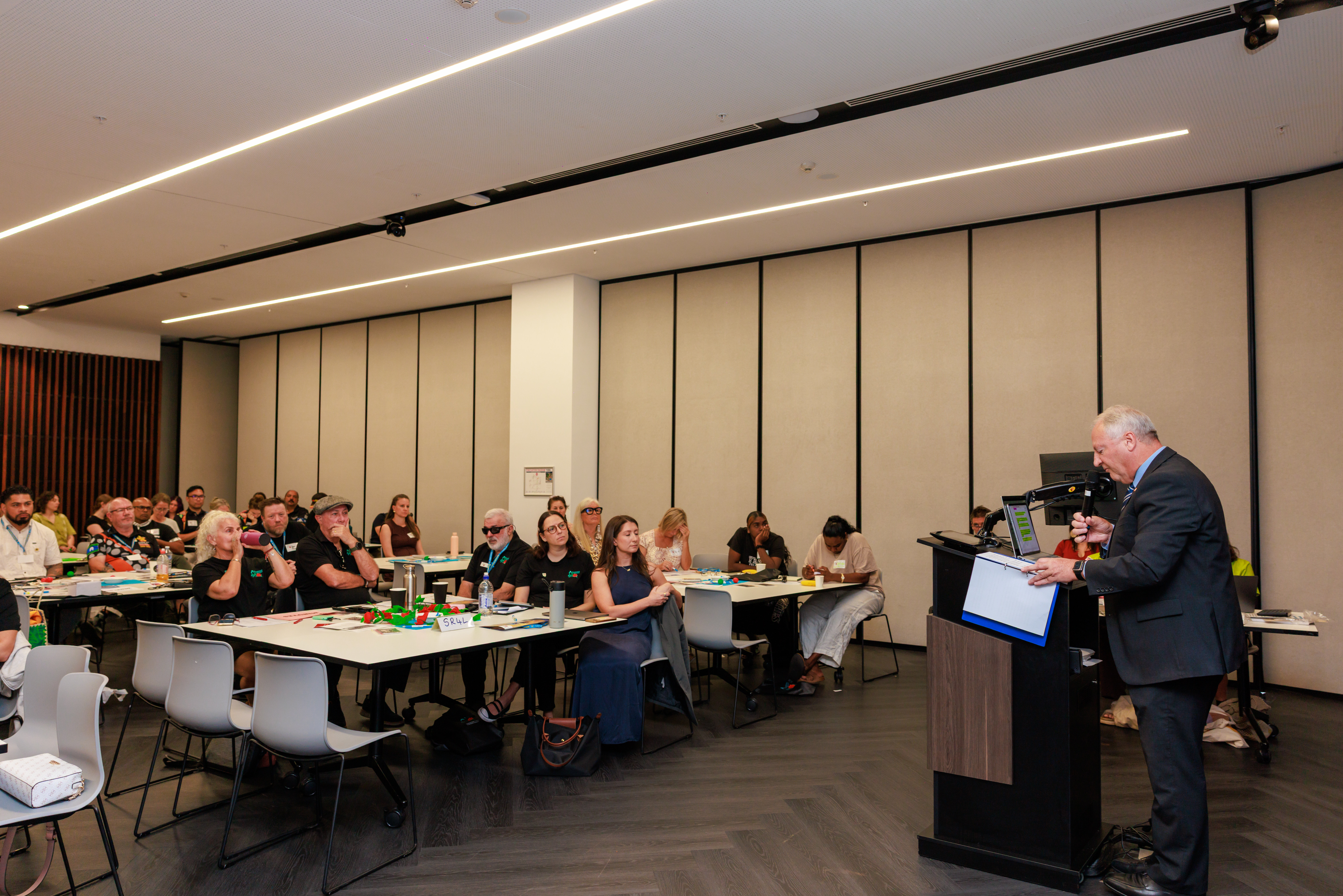
In the heart of the Northern Territory, Sabrina's Reach4Life on the 10 September 2025 took the lead in hosting their seventh NT World Suicide Prevention Day Forum. A full day gathering with a over 170 stakeholders ,national speakers, lived experience advocates, service providers, allied health professionals and community leaders dedicated to reducing the impact of suicide and supporting survivors of suicide loss in our community, from diverse backgrounds in attendance, this event served as a pivotal moment in the fight against suicide and mental health issues.
Under the theme “Change the Narrative~ Start The Conversation” with the NT theme “No Shame in Reaching Out” the forum not only brought together an array of key players but also showcased innovative projects and initiatives making an impact at the grassroots level.
The success of this initiative is owed to the remarkable collaboration among key stakeholders and representatives across the Northern Territory& States of Australia. This dynamic coalition paved the way for a comprehensive discussion that spanned the depth and breadth of suicide prevention.
One of the forum's outstanding achievements was its ability to connect with representatives from across the country,
Opening and Welcomes

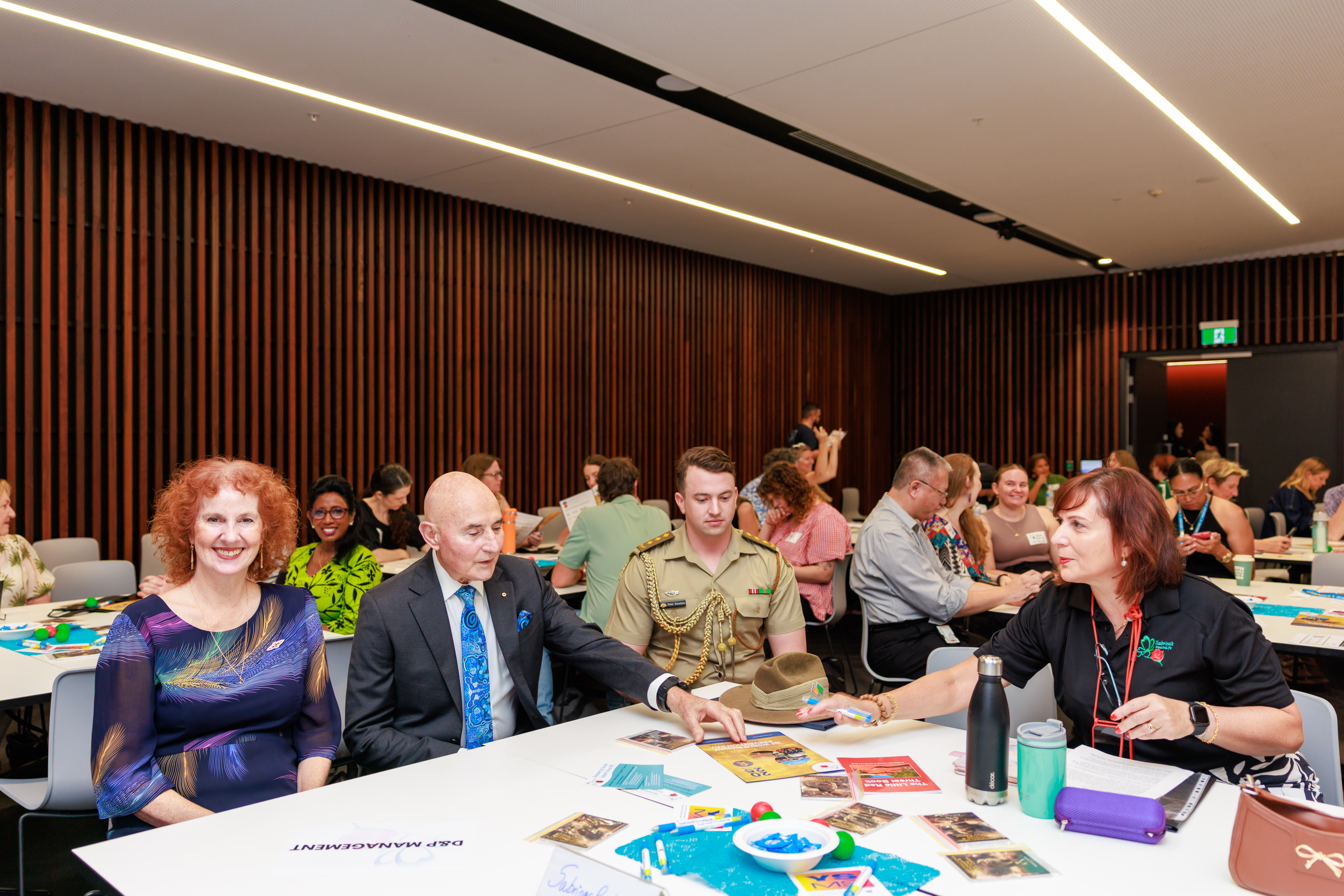
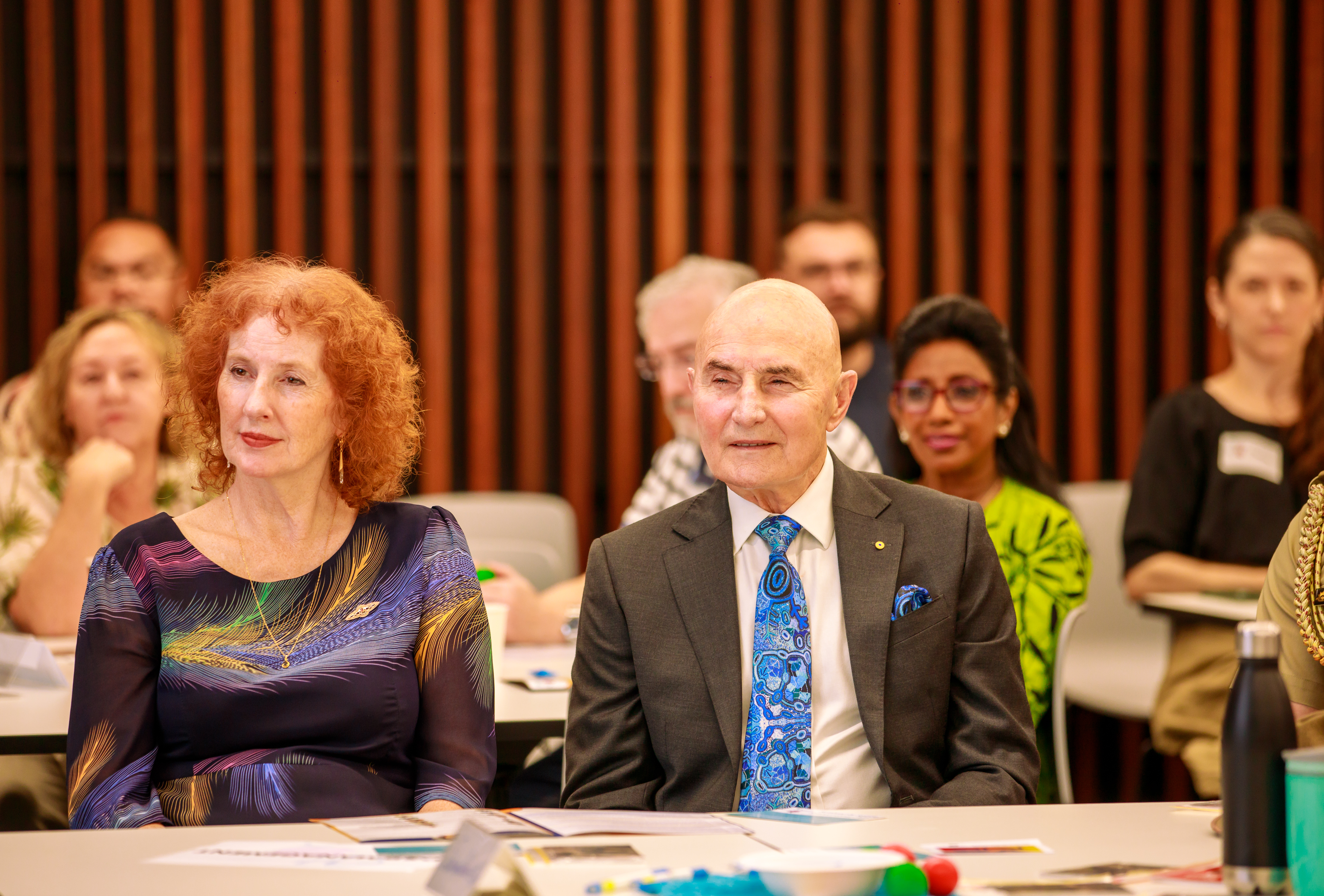
The Administrator of the Northern Territory, Professor the Honourable Hugh Heggie AO PSM, officially opened the event, highlighting the Territory’s elevated suicide rates linked to remoteness, limited psychological resources, and overrepresentation of veterans and First Nations peoples among high-risk groups.
The Forum was opened by MCs Karyn Moyle (Waterlily Healing Indigenous Corporation) and Sam Weston (Mad Snake Café), with a Welcome to Country delivered by William Hewitt (Wadjigan/Yawuru/Karajarri/Bard).
Minister for Health and Mental Health, Hon. Steve Edgington MLA, acknowledged SR4L’s leadership and detailed government investment in suicide prevention, including $1.9M across 239 projects and 38 local organisations, expansion of Universal Aftercare services, and the development of a new 18-bed inpatient mental health facility at Royal Darwin Hospital due for completion in 2026.
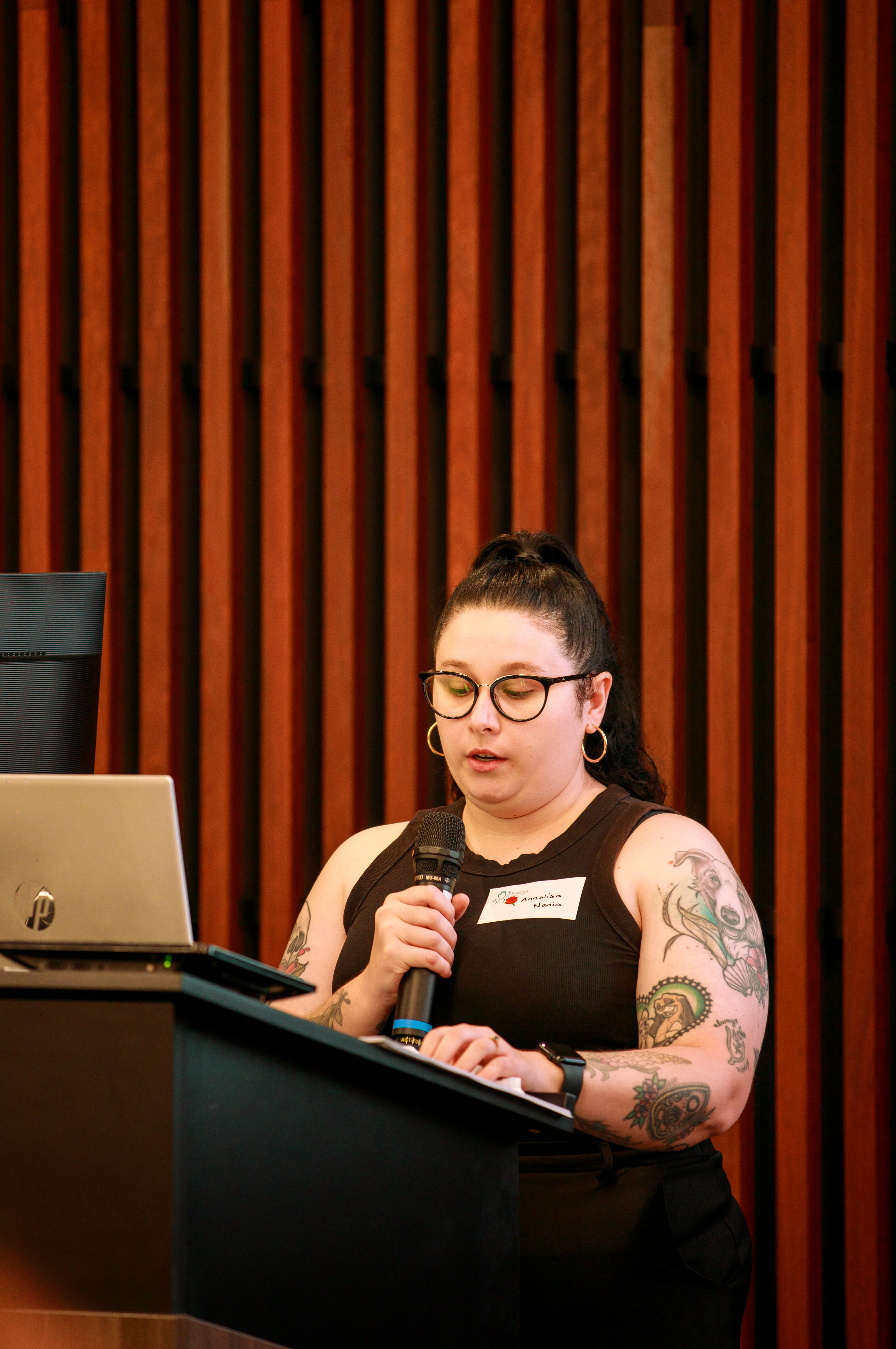
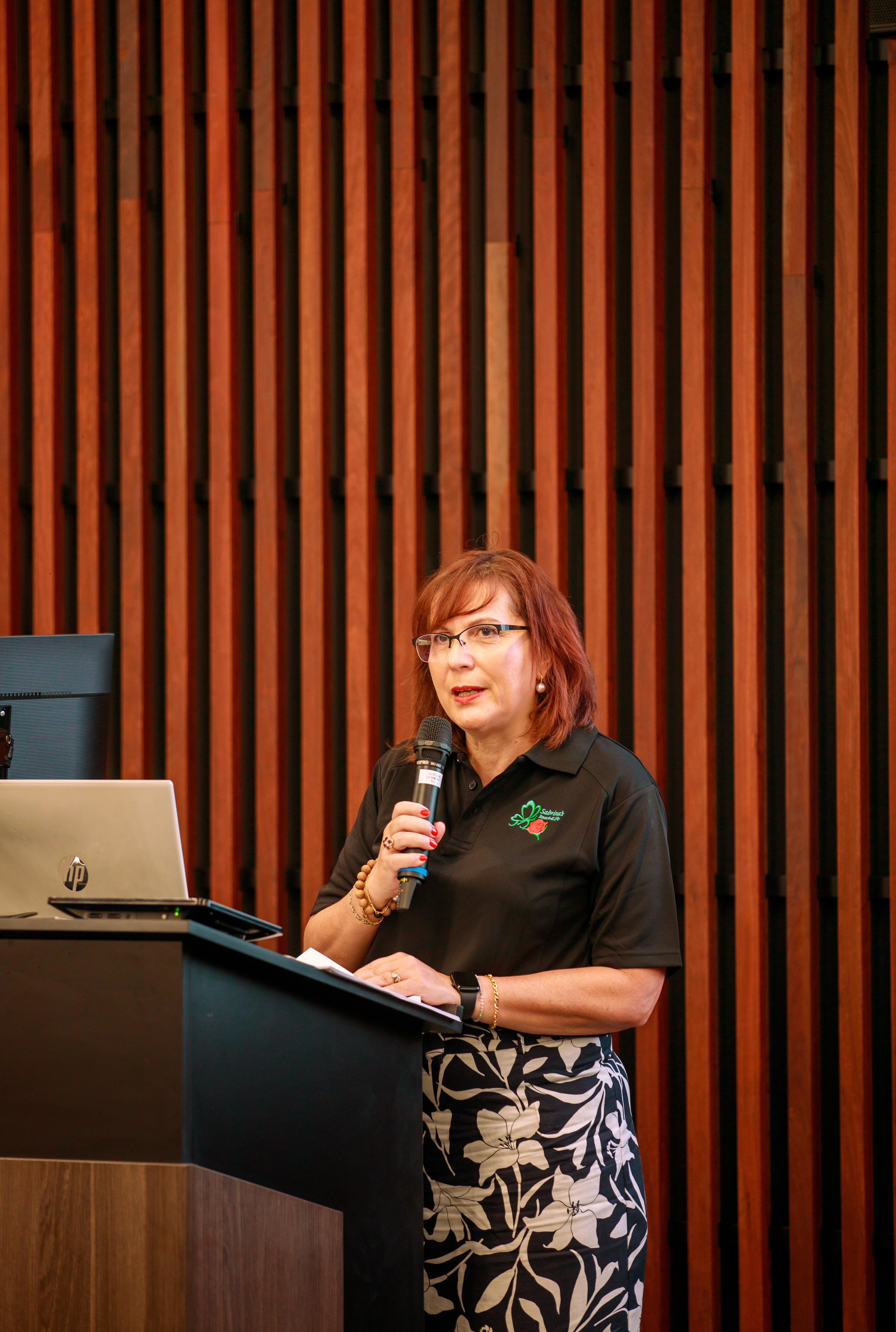
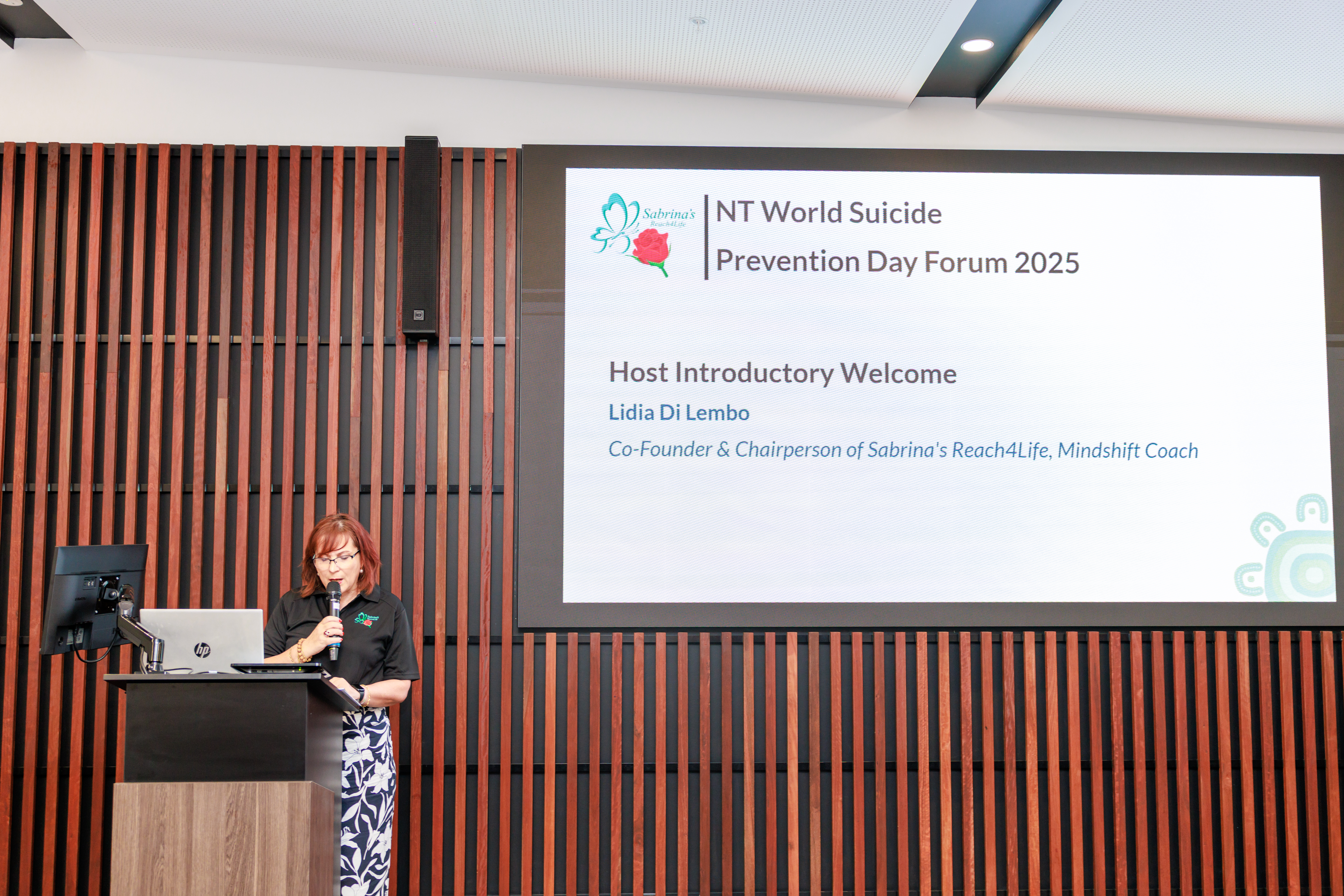
Forum Host Lidia Di Lembo (Co-Founder & Chair, SR4L) shared a heartfelt welcome, reiterating the importance of lived experience in driving systems change, the power of connection, and the ongoing need for collaboration between government, health, and community sectors.
Keynote Summaries
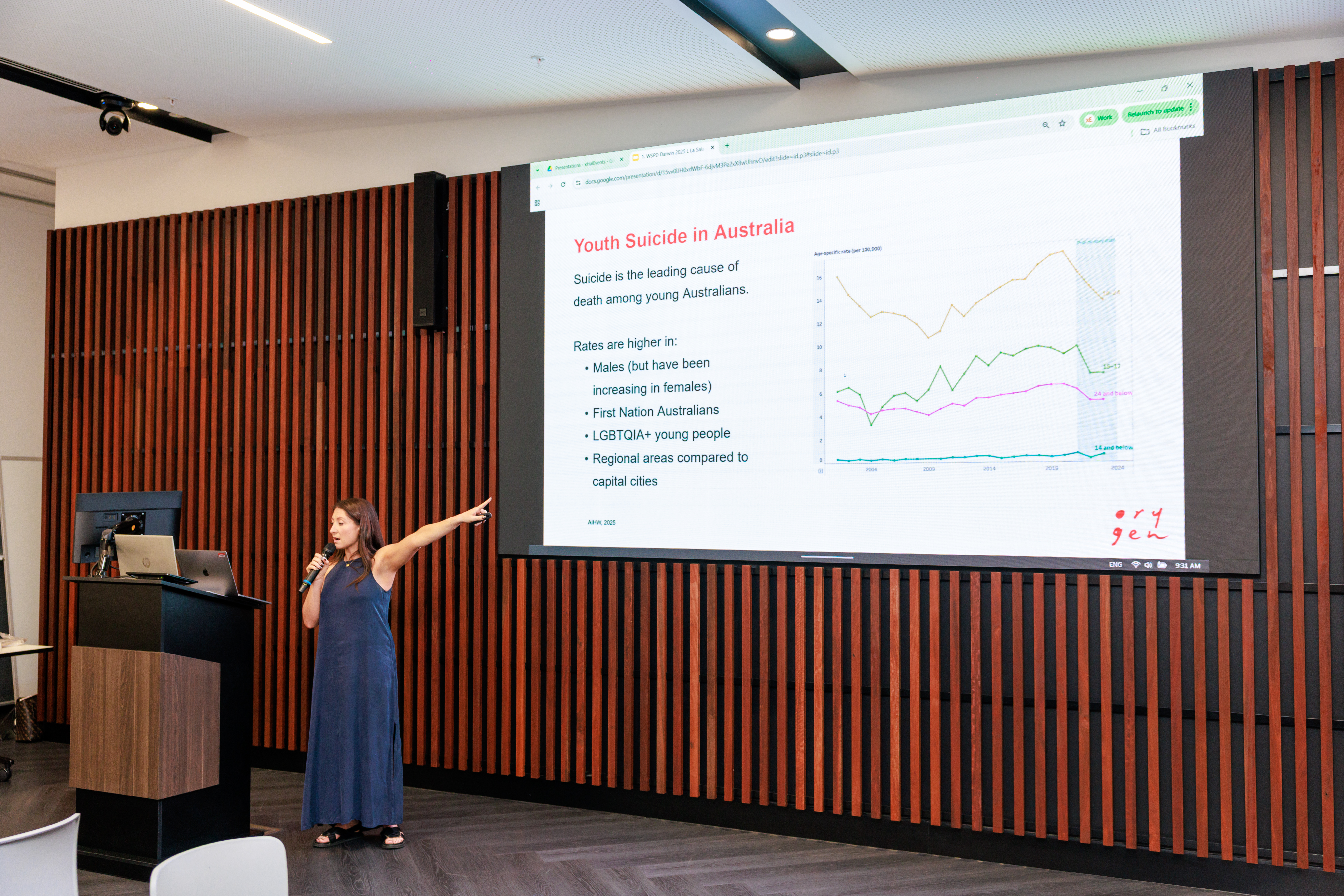
Dr Louise La Sala (Orygen, Centre for Youth Mental Health) presented on ‘How to Help Young People Talk Safely on Social Media About Self-Harm and Suicide.’ She discussed findings from the 2025 Lancet Psychiatry Commission on Youth Mental Health and her research through the #chatsafe initiative. Key points included the role of social media in both risk and prevention, with 60% of youth exposed to suicide-related content online. Her team’s geo-targeted ‘real-time postvention’ campaigns have reached communities across NSW, VIC, and NZ. She emphasised empowering youth, parents, and educators to communicate safely, noting the duality of social media as both protective and harmful.
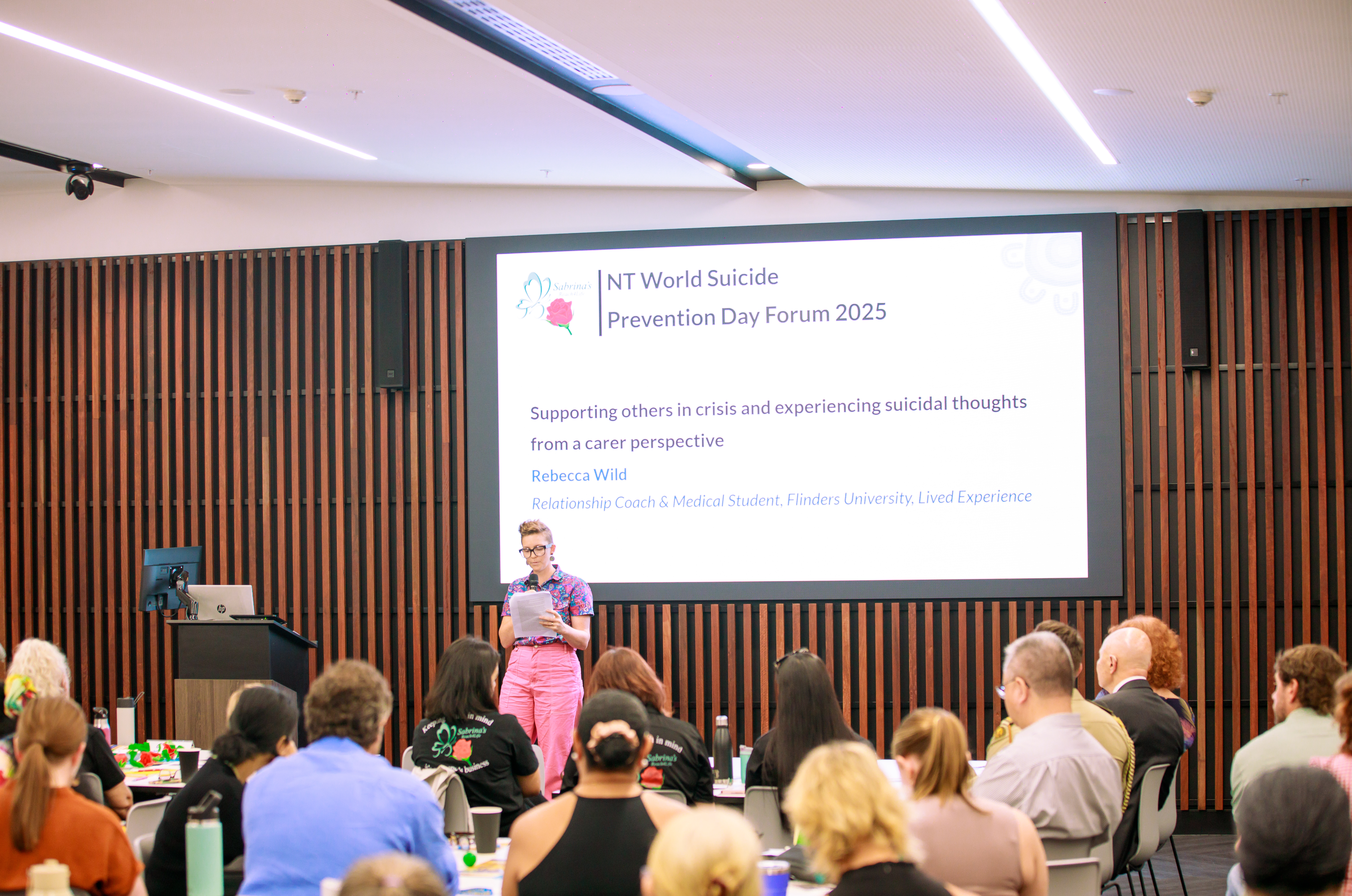
Rebecca Wild (Relationship Coach, Medical Student, and Lived Experience Advocate) spoke from a carer’s perspective on supporting others in crisis. Her reflective talk explored how cultural norms and early emotional suppression shape coping, encouraging participants to approach both others and themselves from a position of love rather than fear.
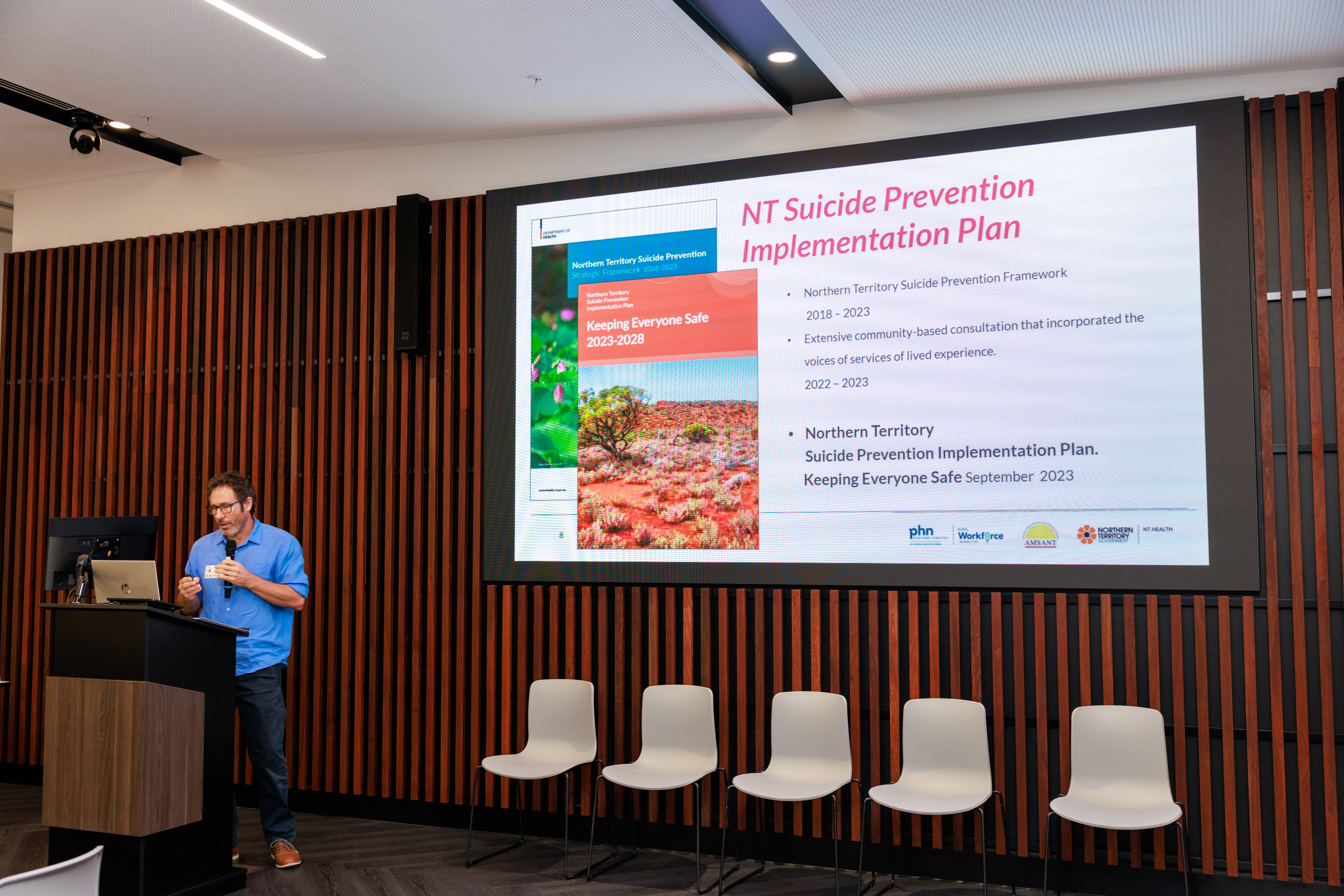
Simon Casey (Director, Suicide Prevention MHAOD Branch – NT Health) outlined the Territory’s strategic suicide prevention priorities, including the National Aboriginal and Torres Strait Islander Suicide Prevention Plan 2025–2035, Universal Aftercare, and the NT Suicide Prevention Implementation Plan ‘Keeping Everyone Safe (2023–2028).’ His address emphasised coordinated, community-led approaches and culturally responsive service delivery.

Dr Leslie Koopowitz (Consultant Neuropsychiatrist, NEAMI National) delivered a highly engaging keynote on ‘What Happens to the Brain When We Experience Trauma.’ He explained the neurobiological basis of stress responses, describing trauma as an overwhelming stressor that disrupts top-down cortical regulation. Key concepts included the ‘window of tolerance,’ dynamic switching between neural networks, and lifelong developmental impacts of trauma on brain structure, function, and connectivity. His take-home message contrasted ‘Care versus Treatment,’ ‘Safety versus Surveillance,’ and ‘Dialogue versus Diagnosis.’
Andy Moore (General Manager, Wesley Suicide Prevention Services) substituted for Ron Petterson and presented on ‘Postvention is Prevention: Supporting Families After a Suicide Attempt or Loss.’ He applied Joiner’s interpersonal theory of suicide to family dynamics, highlighting postvention as a critical prevention strategy. His metaphors of ‘a ball of yarn in knots’ and ‘a big door swinging on small hinges’ illustrated the interwoven, fragile nature of healing processes within families.
Michelle Taylor (Health Professional, Speaker, Coach) facilitated a workshop titled ‘Emotional Resilience on Steroids.’ Using the VUCA model—Volatility, Uncertainty, Complexity, Ambiguity—she guided participants through self- and social-awareness, motivation, and adaptive action strategies. Furthermore, using the Transformational Leadership and Culture Identity Cards, participants explored how their personal responses and unconscious behaviours influence client relationships and workplace dynamics. The exercise emphasised accountability, self-leadership, and regaining a sense of agency—“giving your power back”—as key components of effective, compassionate practice.
Paul Connolly (CEO, Northern Territory PHN) closed the forum by acknowledging the progress achieved in mental health investment and community partnerships, while recognising the ongoing need for integrated, trauma-informed, and lived experience–led approaches across the NT.
Panel Discussions
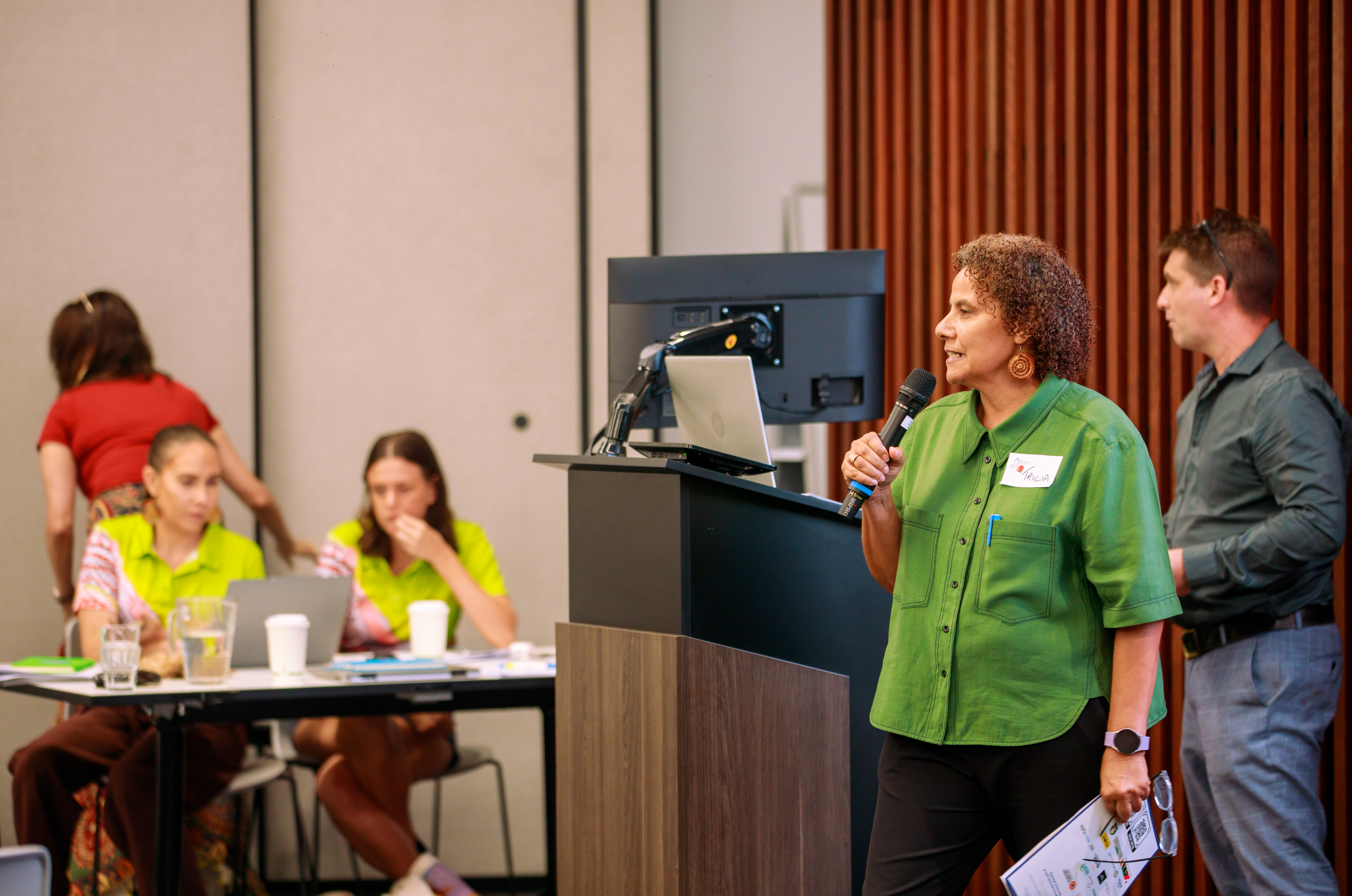
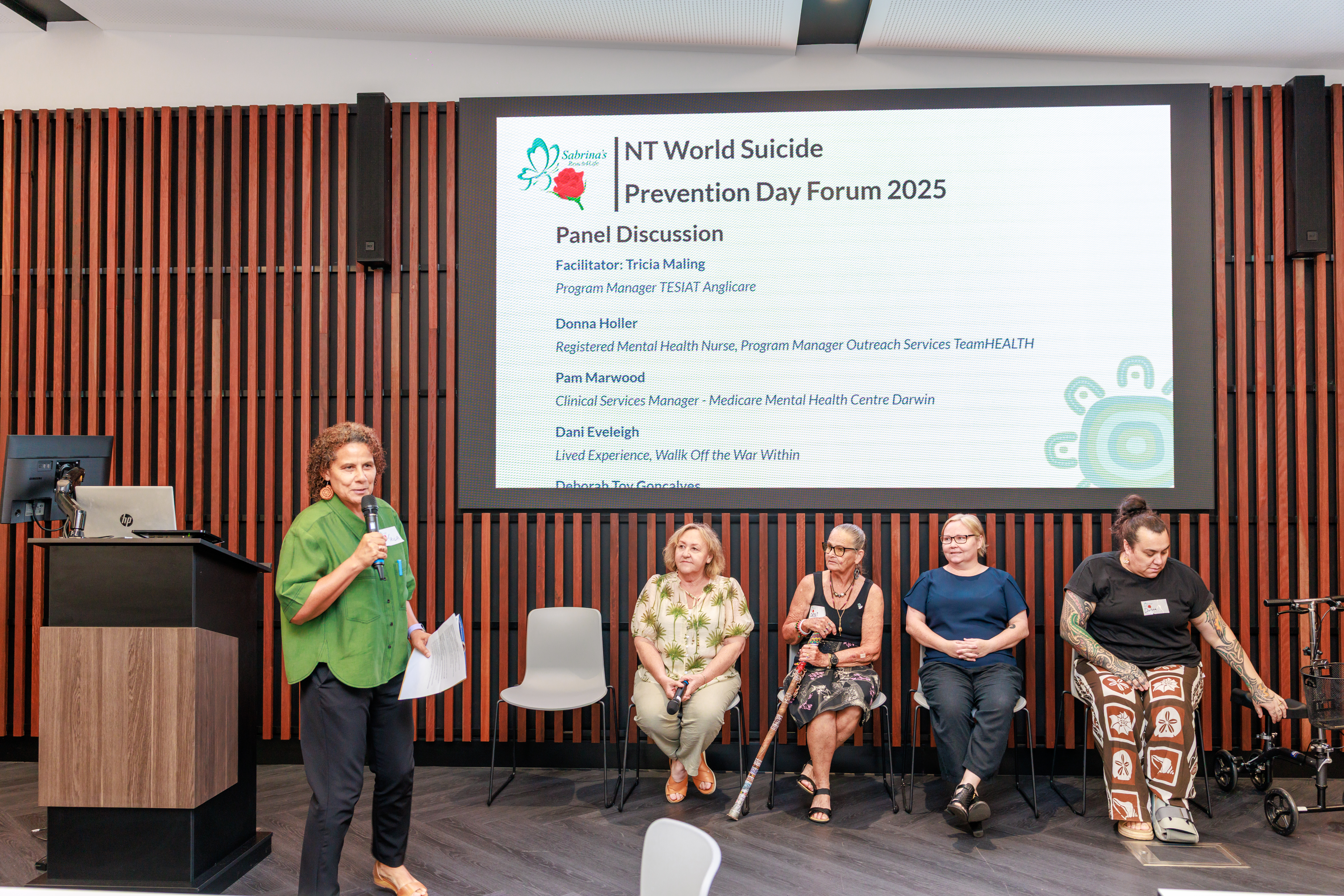
Panel 1 – Psychosocial Support: Facilitated by Tricia Maling (Anglicare), this panel explored distinctions between psychosocial and clinical supports, barriers to access, and the importance of co-designed, flexible community responses. Participants highlighted challenges in funding continuity and cultural adaptation.
Panel 2 – Supporting Youth: Facilitated by Peter Susanto, the discussion addressed how educators can identify and respond to student distress. Key takeaways included the importance of trained wellbeing staff in schools, proactive check-ins, and the value of programs such as Be You and Headspace Study & Plan.
Panel 3 – Remote Communities: Facilitated by Lidia Di Lembo, this session unpacked service delivery gaps in remote areas, the ‘handballing’ between police, clinics, and community services, and the ongoing impact of AOD issues, violence, and intergenerational trauma. The panel emphasised building local capacity, respecting community knowledge, and co-creating solutions rather than imposing external models.
Panel 4 – Men’s Mental Health: Facilitated by Steve Satour (R U OK), this discussion examined stigma and barriers to men seeking help. Initiatives such as The Man Walk and High Performance Fathers were shared as effective grassroots models. An audience comment highlighted workplace bullying as an overlooked contributor to suicide risk among women aged 45–65.
Cross-Cutting Themes
• Lived experience is central to prevention and postvention efforts.
• Trauma-informed, culturally safe care remains essential across all sectors.
• Collaboration between government, NGOs, and community organisations enhances sustainability.
• Digital literacy and safe online communication are emerging national priorities.
• The mental health workforce in remote areas requires urgent support and retention strategies.
Quotes and Reflections
“When the pain of surviving outweighs the reward of living, suicide becomes an option—not to seek death, but to avoid the untenable pain of living.” – Dr Leslie Koopowitz
“Every conversation can save a life.” – Andy Moore, Wesley Mission
“Change the narrative: there is no shame in reaching out.” – Forum Theme
Special thankyou to Sam Goding for compiling the lyrics and video ~ link below
“No Shame In Reaching Out”
This extensive network not only enriched the discussions but also facilitated the exchange of knowledge and ideas on a national scale.
The central focus of the event was to highlight projects and initiatives that dare to tread new paths and reach underserved demographics. The Northern Territory faces unique challenges, including engaging men and respecting the Indigenous Knowledge System, both of which were prominent themes throughout the day. The forum aimed to equip attendees with a better understanding of the services available across the NT, innovative approaches to suicide prevention, and actionable ways they could support this vital cause in their communities.
Throughout the day, key messages resonated deeply with attendees, adopting innovative projects, implementing strategies to engage men, and providing robust support to young people were prominent themes.
In the aftermath of the NT World Suicide Prevention Day Forums, it is evident that the Northern Territory is forging ahead with renewed determination to save lives and break down the barriers surrounding mental health. The collaborative efforts of dedicated stakeholders, the innovative projects showcased, and the overarching message of hope have left an indelible mark on this critical cause.
The impact of this forum promises to resonate far beyond its borders, offering inspiration and guidance in the ongoing battle against suicide.
On behalf of the WSPD 2025 Planning Group we "thankyou" as this invaluable event would not come into fruition without you.